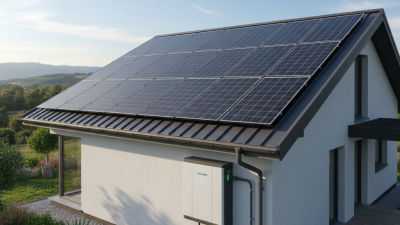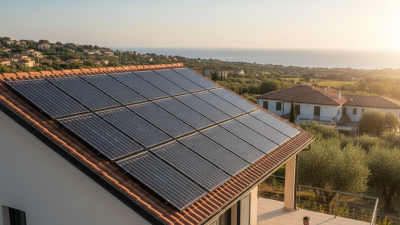
10 Best Solar Power Batteries for Home Use

A home solar system can produce more electricity at noon than a household can use, then fall quiet after sunset. A Solar Power Battery stores some of that surplus for evening lights, kitchen appliances, and other daily needs. The right choice depends on more than storage capacity. Real homes vary. A small battery may suit modest evening use, while a larger household may need greater usable capacity and output.

This guide compares 10 home batteries using practical details: usable energy, power rating, battery chemistry, warranty terms, and compatibility with existing solar equipment. It also considers installation needs and backup capability, since not every battery can keep a home running during an outage. Check product specifications and confirm system compatibility with a qualified installer before making a decision. That matters. A high capacity number alone does not show how many appliances can run at once, or for how long.

Prices, incentives, and product availability can change by location, so treat any comparison as a starting point rather than a promise. Some specifications look clear on paper but feel less simple when matched to a real household’s routines. No system is perfect. The best battery is usually the one that fits your energy use, budget, and existing equipment—not necessarily the biggest or most heavily promoted model.
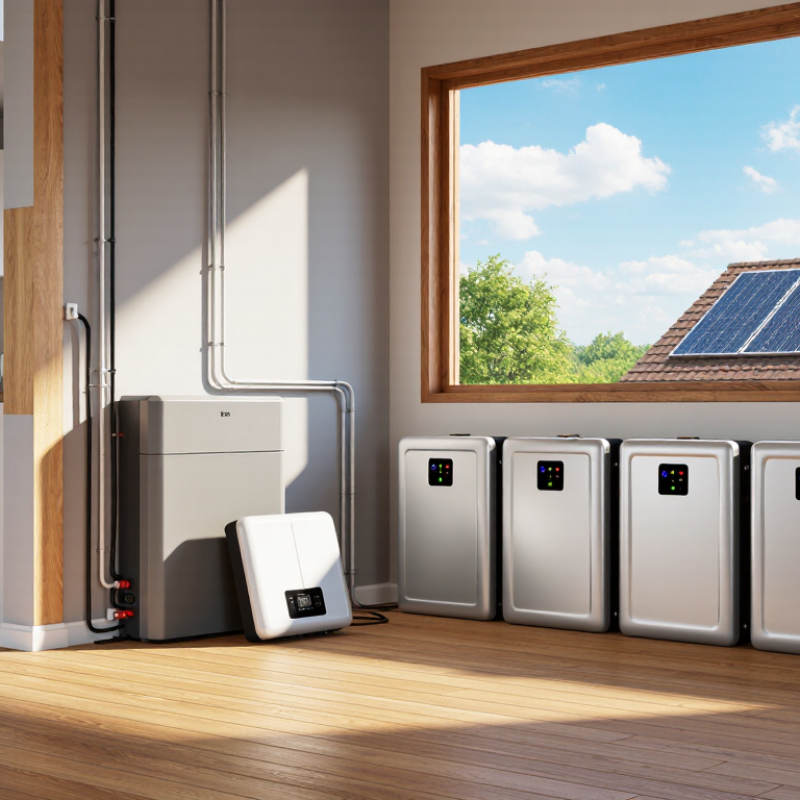
10 Best Solar Power Batteries for Home Use

How Home Batteries Are Compared: kWh, kW, and 85–95% Efficiency

A home battery should match the electricity you need to store and use, not just look large on a specification sheet. Capacity, measured in kilowatt-hours (kWh), indicates how much energy it holds. Power, measured in kilowatts (kW), shows how much electricity it can deliver at one time. A battery with ample capacity but low output may run lights and a refrigerator, yet struggle with several appliances starting together. Check both continuous and peak power ratings.

Efficiency describes how much stored energy you can use after charging losses. A quoted round-trip efficiency of 85–95% means some energy is lost as electricity moves through the battery system. For example, 10 kWh sent into a system rated at 90% efficiency returns about 9 kWh under the stated test conditions. Real results can vary with temperature, inverter performance, and charging speed. Read the fine print. Also check whether the listed capacity is usable; otherwise, comparisons can be misleading. Numbers help, but they do not tell the whole story.

Tips: List the appliances you want to run during an outage, then estimate their combined wattage and hours of use. Compare that load with the battery’s kW output and usable kWh. Leave room for uncertainty; household demand is rarely as tidy as a spreadsheet suggests.

10 Best Home Solar Batteries: Capacity, Power, Chemistry, and Warranty

Choosing a home solar battery starts with usable capacity, not the biggest number on the box. A household using 10 kilowatt-hours overnight may need a different setup from one running electric heating or charging a vehicle. Check how much energy remains available after reserve settings and conversion losses. A cloudy afternoon can change the calculation.

Power output is a separate measure. Capacity tells you how long a battery can supply energy; continuous power tells you how many appliances it can run at once. A unit with ample capacity may still struggle with a pump and kitchen appliances starting together. Check surge ratings, too. That detail is easy to miss.

Battery chemistry affects cost, lifespan, and operating conditions. Lithium iron phosphate batteries are often selected for their long cycle life and thermal stability, while other lithium-ion types may offer different size or cost trade-offs. No chemistry is perfect. Review the warranty’s years, cycle limit, and guaranteed capacity at expiry; these terms can matter more than a headline lifespan. Also confirm temperature limits, installation requirements, and whether the battery works with your inverter. I would not treat any warranty as a simple promise of trouble-free service. Read its exclusions, and compare the usable energy you need with the power your home actually draws.

Usable Storage: Matching 5–20 kWh Batteries to Household Loads

Usable storage is the energy a battery can actually deliver after reserve limits and conversion losses. A 5 kWh unit may cover a refrigerator, lights, router, and phone charging overnight, depending on their runtime. That matters. A refrigerator cycles on and off, while an electric kettle can draw substantial power in minutes. Check both usable kilowatt-hours and the inverter’s continuous output; capacity alone does not reveal which appliances can run together.

Estimate essential use from several days of household readings, not a guess based on the monthly bill. Around 10 kWh may suit a home prioritizing refrigeration, lighting, and modest electronics through an evening. A 15–20 kWh system can provide more runtime or support additional loads, but electric heating, cooling, or cooking can consume that reserve quickly. Weather changes everything. Solar panels may replenish storage during the day, yet cloudy conditions can reduce charging. Leave room for a practical reserve, and compare the battery’s usable capacity with the loads you genuinely need during an outage. A tidy spreadsheet can still miss habits, like leaving a second freezer running.

10 Best Solar Power Batteries for Home Use - Usable Storage: Matching 5–20 kWh Batteries to Household Loads

These are representative, brand-neutral battery configurations, not ratings of specific products. Runtime estimates assume a steady 1 kW AC load and about 90% inverter efficiency; actual performance varies with temperature, system settings, battery age, and load.

Configuration Usable Storage Common Chemistry Approx. Runtime at 1 kW Typical Household Loads Suggested Continuous Inverter Output Typical Round-Trip Efficiency Indicative Cycle Life
Compact backup 5 kWh Lithium iron phosphate (LFP) About 4.5 hours Internet equipment, lights, phones, and a refrigerator 1–2 kW About 90–96% About 4,000–8,000 cycles for LFP, depending on conditions
Essential-load support 6 kWh LFP or lithium nickel manganese cobalt oxide (NMC) About 5.4 hours Essential lighting, communications, refrigerator, and small electronics 1.5–2.5 kW About 90–96% About 3,000–8,000 cycles, depending on chemistry and conditions
Small-home daily shifting 8 kWh LFP or NMC About 7.2 hours Evening lighting, refrigerator, electronics, and selected kitchen appliances 2–3 kW About 90–96% About 3,000–8,000 cycles, depending on chemistry and conditions
Balanced home storage 10 kWh LFP or NMC About 9 hours Common essential circuits and moderate evening electricity use 2–4 kW About 90–96% About 3,000–8,000 cycles, depending on chemistry and conditions
Extended essential backup 12 kWh LFP or NMC About 10.8 hours Essential circuits, refrigeration, lighting, communications, and occasional small appliances 3–5 kW About 90–96% About 3,000–8,000 cycles, depending on chemistry and conditions
Higher evening consumption 14 kWh LFP or NMC About 12.6 hours Essential circuits plus longer use of household electronics and selected appliances 3–5 kW About 90–96% About 3,000–8,000 cycles, depending on chemistry and conditions
Large essential-load system 15 kWh LFP or NMC About 13.5 hours Many essential circuits; suitable for longer backup when major heating and cooling loads are excluded 4–6 kW About 90–96% About 3,000–8,000 cycles, depending on chemistry and conditions
Whole-home partial backup 16 kWh LFP or NMC About 14.4 hours Broad household coverage with managed use of high-power appliances 4–6 kW About 90–96% About 3,000–8,000 cycles, depending on chemistry and conditions
High-capacity home storage 18 kWh LFP or NMC About 16.2 hours Longer backup for multiple circuits; large loads may need to be staggered 5–8 kW About 90–96% About 3,000–8,000 cycles, depending on chemistry and conditions
Maximum listed storage 20 kWh LFP or NMC About 18 hours Extended backup or greater daily solar-energy shifting, subject to inverter and solar-array sizing 5–8 kW About 90–96% About 3,000–8,000 cycles, depending on chemistry and conditions

Cycle-life figures are broad indicative ranges, not guarantees; usable capacity, power output, efficiency, and service life depend on the complete system and its operating conditions. High-power appliances such as electric ranges, central air conditioners, and electric water heaters can shorten runtime substantially.

Battery Longevity: 10-Year Warranties, Cycle Life, and Degradation

A 10-year warranty is a useful starting point, not a promise that a home battery will feel new for a decade. Read the capacity-retention figure and energy-throughput limit alongside the warranty period. Some coverage ends when either limit is reached. That detail matters.

Cycle life describes how many charge-and-discharge cycles a battery can complete before its capacity falls to a stated level. The test conditions matter: a shallow daily discharge is not the same as draining the battery almost completely. A rating of several thousand cycles can sound reassuring, yet actual life depends on use, temperature, and charging behavior. Even the word “cycle” can hide useful nuance.

In a garage that gets hot in summer, repeated deep discharges may contribute to faster wear. Keeping the battery within its recommended temperature range and avoiding unnecessary full drains can help preserve capacity. Still, household demand rarely follows a neat laboratory schedule. I would compare the warranty’s exclusions, service process, and remaining-capacity threshold, not just its headline years. A ten-year term may offer less practical reassurance if the fine print is hard to interpret.

Installation and Value: Cost per kWh, Backup Ratings, and Inverter Fit

A home battery’s price per kilowatt-hour is useful, but only when installation costs and usable capacity are included. EnergySage’s 2024 Solar & Storage Marketplace Report put the average quoted battery-storage price at about $1,133 per kWh. Treat that as a market snapshot, not a guaranteed local quote: electrical upgrades, permits, and installation complexity can change the final bill. Ask whether the price uses nominal or usable capacity. The difference matters.

Backup ratings describe two separate limits. Kilowatt-hours estimate how long stored energy may last; kilowatts determine which appliances can run together. A refrigerator, lights, and internet equipment draw less than an electric range or central air conditioner. Check both continuous and surge output, then compare them with the inverter’s rating. A battery may store enough energy yet still struggle with a large motor’s startup demand. A spreadsheet can still mislead.

Inverter fit can determine whether a battery works smoothly with existing solar equipment. Some systems use AC coupling, while others connect on the DC side; compatibility depends on the inverter’s design and controls. NREL’s Annual Technology Baseline uses about 85% round-trip efficiency as a storage benchmark, though actual household performance varies. Leave room for conversion losses. I would also price the needed backup circuits and electrical work before comparing systems; that step is easy to overlook.

Contact Details

Address:

Solar Pump Solutions,
Borrisokane, Co. Tipperary, Ireland.

Phone:

+353 86 1216312

Email:

sale@desasolar.com

Connect with us

Scroll to Top
Solar Pump Solutions
Privacy Overview

This website uses cookies so that we can provide you with the best user experience possible. Cookie information is stored in your browser and performs functions such as recognising you when you return to our website and helping our team to understand which sections of the website you find most interesting and useful.