Why Choose Solar Pond Pumps for Your Pond?
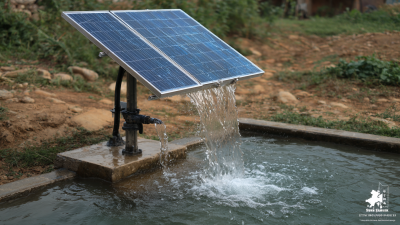
A pond pump is easy to overlook until the water turns still, leaves collect at the edges, or algae begins to spread. Solar Pond Pumps offer a practical way to circulate water without a permanent grid connection. A small panel beside the pond can power a pump during sunny hours, moving water through a fountain, filter, or stream. The result depends on the setup, though. Shade, cloudy weather, pump lift, and tubing length can all reduce flow.
The wider energy data is encouraging, but it needs context. IRENA’s Renewable Power Generation Costs in 2023 report found that the global weighted-average cost of electricity from newly commissioned utility-scale solar PV fell to $0.044 per kilowatt-hour in 2023, about 90% below its 2010 level. That figure describes large power projects, not the cost or performance of a pond pump. It does show how far solar technology has progressed. For a small system, panel size and local sunlight still matter more than headline averages.
Check the details.
NREL’s PVWatts tool estimates solar production using location and system inputs, illustrating why one pump may work well in an open garden while another struggles beneath trees. A useful choice balances required water flow, head height, filtration needs, and available sunlight. Battery backup can extend operation after sunset, but it adds cost and maintenance. And a solar pump is not automatically an aerator; confirm that its flow pattern suits the pond’s needs. There is no perfect setup for every pond. A little testing may be necessary.
What Solar Pond Pumps Are and How They Work
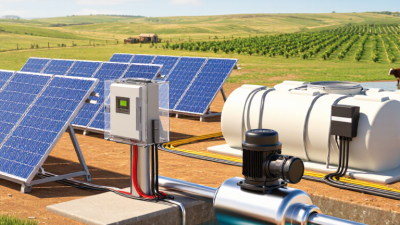
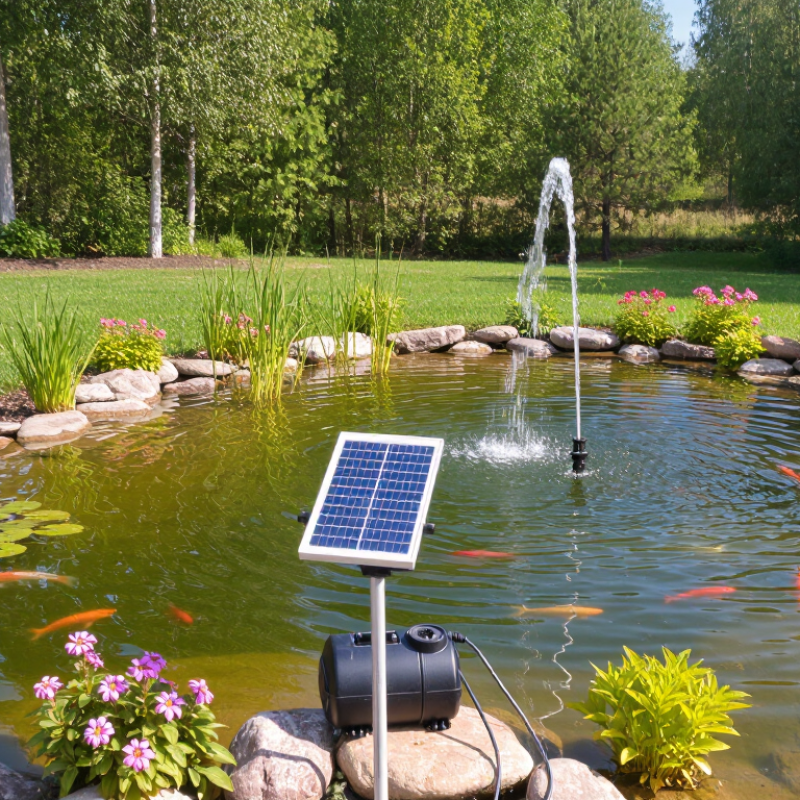
Solar pond pumps move water using electricity produced by a solar panel. Sunlight reaches the panel and creates power for a small pump, which draws water in and sends it through tubing to a fountain, filter, or waterfall. Some systems connect directly to the panel, so their flow rises in bright sun and slows under clouds. Others include a battery, allowing the pump to run after sunlight fades.
The moving water can help circulate oxygen and reduce stagnant areas, but a pump alone does not guarantee clean, healthy water. Flow depends on the pump’s capacity, the tubing, and the height water must travel. A fountain may look lively at midday, then barely trickle on a shaded afternoon. The setup is simple, but matching parts to the pond can take a little adjusting.
Tips: Check the panel’s sunlight exposure and the pump’s flow rate. Measure the vertical distance from the water to the outlet; extra lift reduces flow. Keep the panel surface clear of leaves, and watch how the pump performs on cloudy days.
Energy and Environmental Benefits of Solar Pond Pumps
A solar pond pump uses sunlight to move water without drawing routine electricity from the grid. In a sunny garden, a small panel can power circulation through the afternoon, when warm water may otherwise become still. Less grid electricity can mean lower operating emissions, depending on how local power is generated. No fuel is burned on site.
Moving water can help reduce stagnant patches and support oxygen exchange, especially when the pump creates a gentle surface ripple. It may also help distribute warmth and nutrients more evenly. The effect depends on pond depth, pump flow, and outlet position; circulation alone cannot solve every water-quality problem. A pump that is too strong may disturb plants or sediment.
Solar power has limits. Clouds still matter. Shade from a fence or tree can reduce output, and some systems slow down after sunset unless they include battery storage. Matching the pump’s flow rate to the pond and the height water must be lifted is important. A solar setup is not automatically greener in every situation, either: panels and batteries require materials and eventual disposal. Still, for a well-sited pond with modest circulation needs, using daytime sunlight can reduce ongoing energy use. Checking the panel through the seasons helps reveal whether the system is performing as expected.
Types of Solar Pond Pumps and Their Applications
Solar pond pumps come in several useful forms, each suited to a different pond task. Submersible circulation pumps sit below the waterline and move water through a hose, filter, or small stream. They are discreet. They can help reduce stagnant areas, though leaves and algae may clog an intake. Floating fountain pumps send water upward in a visible spray. They suit open ponds where a modest display and surface movement are welcome.
Small solar aeration pumps use an air line and diffuser to release bubbles near the pond bottom. They add movement without sending a strong jet through the water. This can suit fish ponds, but a small unit may not provide enough airflow for a deep or heavily stocked pond. Some systems include a battery, which can extend operation after clouds pass or daylight fades. Direct solar models usually run best in bright, unobstructed sun.
Match the pump to the job, not just the pond’s surface area. Check its flow rate and the height it must lift water; a fountain’s spray may shrink when the panel is shaded. A filter also adds resistance. In practice, a pump that looks powerful on paper can disappoint beside a tall waterfall. I would leave room for adjustment, since sunlight and seasonal debris are rarely as predictable as product charts suggest.
Why Choose Solar Pond Pumps for Your Pond? - Types of Solar Pond Pumps and Their Applications
| Type |
How It Works |
Suitable Applications |
Advantages |
Things to Consider |
| Direct solar DC circulation pump |
A photovoltaic panel supplies power to a compatible DC pump. Output generally varies with available sunlight. |
Daytime water circulation in small ponds, wildlife ponds, and garden ponds where continuous overnight operation is not required. |
Uses sunlight directly and can circulate water without a grid connection. |
Flow may decline in cloudy weather and stop after sunset. Check the pump’s rated flow at the required lift, not just its maximum flow at zero lift. |
| Solar fountain pump |
A solar-powered pump sends water through a nozzle to create a spray or fountain. Many models are designed for relatively low lift. |
Small ornamental ponds, water displays, and surface movement in sunny locations. |
Can add visible water movement and may improve surface aeration while operating. |
Fountain height and flow depend on sunlight, nozzle choice, and lift. Wind can carry spray out of the pond, and evaporation may increase. |
| Solar pump with battery storage |
Solar panels charge a battery, which can power a compatible pump when sunlight is weak or unavailable. |
Ponds needing operation into the evening or through short periods of reduced sunlight. |
Provides more flexible operating hours than a direct solar setup. |
Battery capacity, weather, pump power draw, and charging conditions determine runtime. Batteries require appropriate installation and eventual replacement. |
| Solar pump with hybrid or grid backup |
A controller uses solar power when available and can switch to another compatible power source when configured to do so. |
Larger or stocked ponds where dependable circulation is important and a suitable backup supply is available. |
Can reduce reliance on grid electricity while supporting more consistent operation. |
Confirm that the pump, controller, and backup supply are designed to work together. Installation may be more complex than a direct solar system. |
| Solar-powered pond aerator |
A solar air pump sends air through tubing and diffusers. It adds air to the water rather than pumping pond water through an outlet. |
Ponds where supplementary aeration is needed, including areas with limited water movement. |
Can support gas exchange and water oxygenation while operating. |
It is not a water-circulation pump. Aeration needs vary with pond depth, temperature, stocking, and other conditions; battery backup may be useful for overnight operation. |
Selection note: Choose a system based on the pond’s circulation or aeration needs, required operating hours, available sunlight, pump lift, and panel or battery capacity. Solar output varies with season, shading, panel angle, and weather.
Factors to Consider When Choosing a Solar Pond Pump
Why Choose Solar Pond Pumps for Your Pond?
Factors to Consider When Choosing a Solar Pond Pump
Start with the water the pump must move, not the panel’s advertised wattage. Estimate the daily flow your pond and filter need, then measure the vertical lift from the water surface to the outlet. Add pipe length, bends, and filter resistance; these increase the pump’s working head. A pump’s flow rating at zero head can look impressive, yet fall sharply once installed. Check its pump curve at your actual head. Small details matter.
Sunlight at the installation site is just as important. Observe shade from trees, fences, or the house across the day, and consider seasonal changes. NREL’s review of nearly 2,000 reported photovoltaic degradation rates found a median decline of about 0.5% per year. That is a useful planning figure, not a guarantee for every panel. Leave some capacity margin, and ask whether the pump needs a battery or simply pauses under clouds. I would not size it from one bright afternoon; that is an easy mistake.
Finally, match the pump to the pond’s real use. Fish, algae control, and filtration can call for different flow rates, so avoid assuming that more circulation is always better. Check whether the intake can handle leaves and small debris, and whether the pump is easy to lift out for cleaning. A bucket test at the pond can reveal weak flow before you commit to a permanent setup. It is not a perfect measurement, but it beats guessing.
Why Choose Solar Pond Pumps? Factors to Consider
Compare estimated daily energy from solar panels of different rated power levels to help assess whether a solar setup can meet your pond pump’s needs.
Estimates use four peak sun hours per day and 75% system efficiency: panel rating × peak sun hours × efficiency. Actual output varies with sunlight, shading, panel orientation, and system components. Check the pump’s power requirement and required flow at your pond’s lift height before choosing a panel.
Installation and Maintenance of Solar Pond Pumps
Why Choose Solar Pond Pumps for Your Pond?
Installation and Maintenance of Solar Pond Pumps
Place the solar panel where it receives several hours of direct sunlight, not behind a fence or beneath overhanging branches. Before positioning the pump, check the pond depth and the pump’s operating instructions. Keep the intake clear of gravel, leaves, and fish-safe plants that may drift close. A common installation snag is placing the panel in sun but leaving the pump in an awkward spot to reach. Leave enough cable slack for cleaning, without letting it pull tight or rest against sharp edges. Keep it level.
Tips: Test the pump on a sunny day before securing the panel permanently. Shade matters. If the water flow seems weak, check for debris before assuming the pump has failed.
For routine maintenance, switch off the pump before removing or cleaning its intake. Rinse the filter gently with pond water, since harsh cleaning can disturb helpful pond microbes. Wipe dust from the panel with a soft, damp cloth; avoid abrasive pads that can scratch its surface. After windy weather, inspect the intake and panel for leaves or mud. Flow may naturally drop during cloudy spells, so a brief slowdown does not always signal a fault. Still, it is easy to overlook gradual buildup—check the pump regularly, especially during warm months.