What Is Solar Power and How Does It Work?

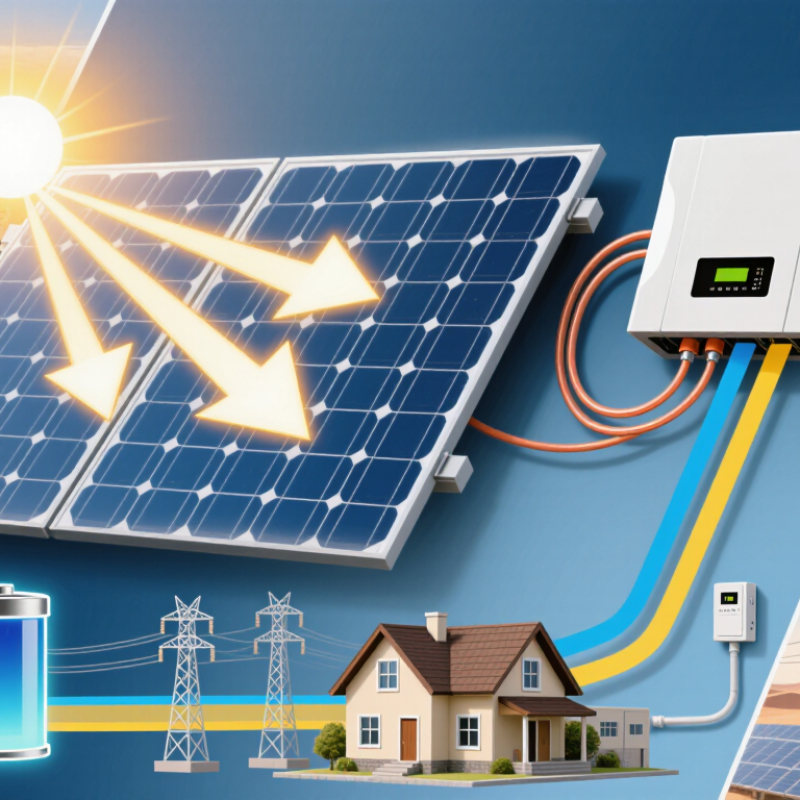
Solar Power is the process of converting sunlight into usable electricity or heat. It begins with photons striking photovoltaic cells, usually made from silicon. These cells release electrons and create direct-current electricity. An inverter then changes it into alternating current for homes, businesses, or the wider grid.

The scale is already significant. The International Energy Agency reported that solar photovoltaic capacity grew by about 430 gigawatts in 2023. Solar represented roughly three-quarters of new renewable capacity added worldwide that year. IRENA’s Renewable Capacity Statistics 2024 recorded approximately 1,419 gigawatts of global solar capacity by the end of 2023. These figures show rapid expansion, but they do not make solar a complete energy solution. Panels produce less electricity at night, during heavy cloud, or when dust covers their surfaces.

Location matters greatly. A rooftop in southern Spain may receive strong midday sunlight, while a northern installation may need more panels for similar output. Batteries can store surplus electricity for evening use. Grid connections and transmission lines remain equally important. Lazard’s Levelized Cost of Energy analysis also places utility-scale solar among the most competitive new electricity sources, although project costs vary by financing, land, equipment, and local conditions.

The picture is not perfectly simple. Manufacturing requires minerals, energy, and careful waste planning. Still, solar offers quiet generation, low operating emissions, and scalable deployment from a small balcony system to a desert-scale project. Understanding how the technology works helps readers judge its benefits, limits, and real-world performance more accurately.
What Is Solar Power and How Does It Work?

What Is Solar Power?

Solar power is energy captured from sunlight and converted into usable electricity or heat. Sunlight carries tiny packets of energy called photons. When photons strike photovoltaic cells, they disturb electrons inside a semiconductor material. This movement creates direct current electricity.

An inverter changes direct current into alternating current for household appliances. In a typical home, electricity may power lights, refrigeration, computers, and water pumps.

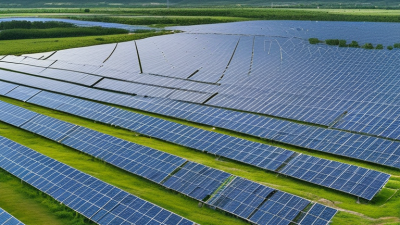
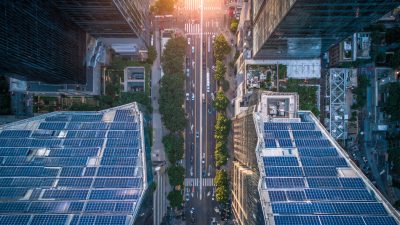
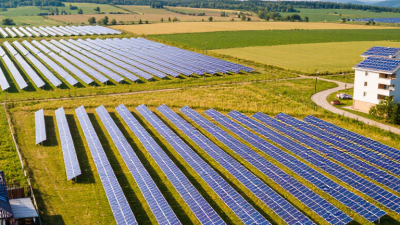
Extra electricity can charge batteries or move into the wider power network, depending on local rules and equipment. Solar panels work quietly on rooftops, fields, and small structures. Their output changes with season, cloud cover, panel angle, dust, and shade.

The basic explanation sounds simple. Real systems are less predictable. A bright afternoon may produce strong electricity, while a hot panel can lose some efficiency. Panels also need space, careful wiring, and regular inspection for cracks or loose connections. Solar power does not create electricity at night, so storage or another supply may be necessary.

Battery systems can help, but they add cost, weight, and material demands. I used to view sunlight as an unlimited solution. That was too optimistic.

Solar power reduces emissions during operation, yet manufacturing, transport, maintenance, and disposal still deserve honest attention. A reliable assessment should measure local sunlight, household demand, roof condition, and the full equipment lifespan.

How Solar Energy Is Converted Into Electricity

What Is Solar Power and How Does It Work?

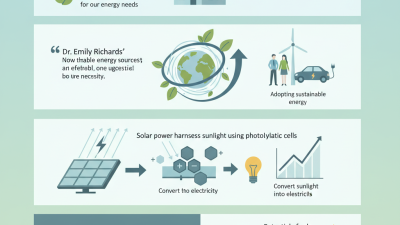
Solar power begins when sunlight reaches photovoltaic cells. These cells usually contain semiconductor layers, often based on silicon. Photons transfer energy to electrons inside the material. The moving electrons create direct-current electricity.

A rooftop array sends this DC electricity to an inverter. The inverter changes it into alternating current for household appliances and the electrical grid. Some systems store unused electricity in batteries for evening demand. Others export surplus power through a meter. According to the International Renewable Energy Agency’s Renewable Capacity Statistics 2024, solar power added about 346 gigawatts globally in 2023. That rapid growth reflects falling equipment costs and stronger deployment. Still, conversion is not perfect. Heat, shading, dust, wiring, and inverter losses reduce real output. A clear panel can perform poorly under a nearby tree.

Tips: Check the roof’s direction, shade, and age before installation. Ask for an estimated annual yield, not only the panel’s peak rating. The National Renewable Energy Laboratory notes that performance depends on local weather and system design. Clean panels carefully, but do not assume frequent washing always improves results. My simplified explanation also misses one issue: electricity demand rarely matches sunlight production. Careful sizing matters.

Key Components of a Solar Power System

What Is Solar Power and How Does It Work?

Key Components of a Solar Power System

A solar power system begins with photovoltaic modules on a roof or ground frame. Each module converts sunlight into direct current electricity. Silicon cells perform this work at the microscopic level. The racking keeps panels angled and stable during wind, rain, and seasonal changes. According to IRENA’s Renewable Capacity Statistics 2024, global solar capacity reached about 1,419 gigawatts by the end of 2023. Solar also delivered nearly three-quarters of new renewable capacity added that year.

The inverter is the system’s control center. It changes direct current into alternating current for household appliances and the electrical grid. Many inverters also track maximum power output and record faults. DC cables, connectors, fuses, and disconnect switches protect the electrical path. A smart meter measures exported and imported electricity. Small details matter. Loose connections can create heat and reduce reliability.

Batteries add flexibility, but they also add cost, weight, and maintenance needs. A battery system normally includes battery modules, a battery-management system, an inverter, and protective equipment. It stores midday electricity for evening use or backup power. The IEA PVPS Trends 2024 report recorded more than 400 gigawatts of global photovoltaic additions in 2023, showing how quickly system design is scaling. Still, published capacity is not the same as usable energy. Shade, dust, high temperatures, aging, and poor installation can lower output. A perfect diagram cannot represent every roof. That assumption needs checking.

Main Types of Solar Power Technologies

What Is Solar Power and How Does It Work?

Main Types of Solar Power Technologies

Solar power converts sunlight into useful energy through three main technologies. Photovoltaic (PV) panels use semiconductor cells to create direct-current electricity. An inverter then changes it into household alternating current. PV systems work on rooftops, balconies, and utility-scale sites. However, their output falls during cloudy weather and stops after sunset.

Concentrated solar power (CSP) uses mirrors to focus sunlight onto a receiver. The receiver heats a fluid, producing steam for a turbine. Thermal storage can extend generation into the evening. Solar thermal systems take a simpler route. They capture heat directly for hot water, building heating, or industrial processes. These technologies are often grouped together, but their equipment and performance differ considerably. That distinction matters.

IRENA’s Renewable Capacity Statistics 2025 reports about 1,865 gigawatts of global solar capacity at the end of 2024. Solar added roughly 452 gigawatts that year, showing rapid deployment. Still, capacity figures do not equal constant electricity production. Location, temperature, dust, grid access, and maintenance all influence real performance. My practical view is cautious: the technology is mature, but every site needs measured sunlight data and realistic load planning.

Tips: Check annual sunlight, roof angle, shading, and local grid rules before choosing a system. Compare energy output, not only panel size. Include cleaning and inverter replacement costs. Small mistakes become expensive.

Benefits, Limitations, and Common Applications of Solar Power

Solar power turns sunlight into usable electricity or heat. Photovoltaic cells absorb light and create an electric current. An inverter changes that current into electricity for ordinary appliances. Panels can serve rooftops, schools, farms, remote clinics, and small water-pumping systems. Field technicians often observe better output after removing dust, leaves, and bird deposits. Solar energy produces no direct exhaust during operation. It can lower electricity bills and reduce dependence on fuel deliveries.

But sunlight varies. Clouds, shade, winter days, and nighttime reduce generation. Batteries add flexibility, yet they increase cost, weight, and maintenance needs. Roof direction, local weather, wiring quality, and structural strength also matter. Large solar projects may compete with food production or natural habitats. These limitations are easy to underestimate. I would not promise complete energy independence from panels alone. Solar power usually works best when matched to local conditions and realistic energy use. Common applications include household electricity, solar water heating, agricultural irrigation, traffic signals, and emergency lighting.

Tips: Inspect the roof before installation. Check its age, angle, and shade patterns. Compare expected output across different seasons. Keep panels clean, but avoid harsh tools that can scratch their surfaces. Ask a qualified electrician to review wiring and protection devices. Track monthly generation for several months. Real performance may differ from online estimates. That difference deserves investigation, not quick blame.

What Is Solar Power and How Does It Work? - Benefits, Limitations, and Common Applications of Solar Power
Category Topic or Metric Typical Value or Description How It Works or Why It Matters
Fundamentals Definition of Solar Power Energy obtained from sunlight Solar energy can be converted into electricity through photovoltaic technology or into heat through solar thermal systems.
Fundamentals Main Solar Technologies Photovoltaic and concentrating solar thermal Photovoltaic systems convert light directly into electricity. Concentrating solar thermal systems use mirrors to produce high-temperature heat, which can generate electricity through a turbine.
How It Works Photovoltaic Effect Light becomes direct-current electricity Photons from sunlight transfer energy to semiconductor materials, causing electrons to move and create an electric current.
How It Works Electricity Conversion Direct current to alternating current An inverter converts the electricity produced by photovoltaic modules into alternating current suitable for buildings and the electric grid.
Performance Typical Module Efficiency Approximately 15%–23% for common commercial modules Efficiency is the share of incoming sunlight converted into electricity. Actual output also depends on temperature, shading, orientation, soiling, and system losses.
Performance Energy Production Pattern Daytime generation; variable output Solar generation is highest in strong sunlight and falls during cloudy conditions. It stops at night unless paired with storage or another power source.
Performance Typical Capacity Factor About 10%–30% for photovoltaic systems Capacity factor compares actual energy production with the maximum possible production over a period. Location, tracking equipment, weather, and system design affect the result.
Durability Expected Module Service Life Generally 25–35 years Solar modules usually continue operating for decades, although their electricity output gradually decreases over time.
Benefits Operational Emissions Very low direct emissions during generation Solar systems do not burn fuel while producing electricity. Manufacturing, transport, construction, maintenance, and end-of-life processing still create lifecycle emissions.
Benefits Fuel Cost No sunlight fuel purchase required Sunlight is naturally available and does not need to be extracted or transported, which can reduce exposure to fuel-price fluctuations.
Benefits Scalability From watts to utility-scale power plants Solar technology can be used for small devices, residential rooftops, commercial buildings, remote systems, and large ground-mounted installations.
Limitations Intermittency Output varies with sunlight availability Nighttime, clouds, storms, shading, and seasonal changes reduce generation. Grid connections, storage, demand management, or other generators can help balance supply.
Limitations Land and Siting Requirements Requires suitable roof or ground area Large installations may require significant land, while rooftops need adequate structural strength, solar exposure, and limited shading.
Limitations Energy Storage Requirement Often needed for nighttime or backup use Batteries can store excess electricity for later use, but they add cost, material requirements, maintenance needs, and conversion losses.
Environmental Factors Water Use During Operation Low for photovoltaic systems Photovoltaic systems generally require little water during electricity generation. Water needs can be higher for cleaning or for some solar thermal technologies.
Applications Residential Electricity Rooftop systems and home batteries Homes can use solar electricity directly, send surplus power to the grid where permitted, or store it for later use.
Applications Commercial and Industrial Power Rooftop, carport, and ground-mounted systems Businesses and facilities can generate electricity onsite to support daytime operations and reduce electricity purchased from the grid.
Applications Utility-Scale Electricity Large solar farms connected to the grid Large arrays supply electricity to many users and may be combined with batteries, transmission infrastructure, or other generation sources.
Applications Off-Grid and Remote Power Solar panels with batteries or backup generators Solar can power telecommunications equipment, monitoring stations, rural facilities, lighting, and other locations without reliable grid access.
Applications Solar Water Heating Sunlight converted into usable heat Solar thermal collectors heat water for domestic use, space heating, or certain industrial processes, reducing the need for conventional heating fuels.
Applications Agriculture and Water Systems Irrigation pumps, crop facilities, and water treatment Solar electricity can operate pumps, ventilation, cooling, lighting, and control equipment, particularly where grid electricity is limited or expensive.
System Integration Grid Connection On-grid, off-grid, or hybrid configurations On-grid systems exchange electricity with the utility network. Off-grid systems operate independently, while hybrid systems combine solar with storage or other generators.
End of Life Recycling and Disposal Recoverable glass, metals, and selected materials Modules and batteries should be handled through appropriate recycling or waste-management systems to recover materials and reduce environmental impacts.

Note: Values are general industry ranges and can vary by technology, location, climate, system design, maintenance, and operating conditions.

Contact Details

Address:

Solar Pump Solutions,
Borrisokane, Co. Tipperary, Ireland.

Phone:

+353 86 1216312

Email:

sale@desasolar.com

Connect with us

Scroll to Top
Solar Pump Solutions
Privacy Overview

This website uses cookies so that we can provide you with the best user experience possible. Cookie information is stored in your browser and performs functions such as recognising you when you return to our website and helping our team to understand which sections of the website you find most interesting and useful.