China Top 10 Solar Power Suppliers for Global Buyers
Solar Power has moved from a niche technology to a central pillar of global electricity planning. The International Energy Agency’s Renewables 2024 report expects renewable capacity to grow by nearly 5,500 GW between 2024 and 2030. Solar PV will provide most of that expansion. The market is expanding quickly.
China remains the largest manufacturing base for photovoltaic modules, cells, wafers, and inverters. IRENA’s Renewable Capacity Statistics 2024 recorded about 346 GW of new solar capacity worldwide in 2023. China contributed a substantial share of this growth. However, production scale alone does not identify the best supplier. Global buyers must examine module efficiency, temperature performance, degradation rates, warranty terms, factory audits, and delivery history. A low quotation can become expensive after delays, damaged pallets, or weak after-sales support.
This guide introduces ten leading Chinese solar suppliers for international buyers. The selection considers manufacturing capacity, technological investment, export experience, financial strength, and third-party certifications. It also considers practical details, such as container loading, product traceability, and communication across time zones. No supplier is perfect. Even established manufacturers may face shipment pressure, policy changes, or quality inconsistencies between product lines. That point deserves attention.
Data from BloombergNEF’s annual module ranking research and public company disclosures can support supplier comparisons, but buyers should verify current figures independently. Factory capacity changes quickly. Certifications also require checking against the exact model being purchased. This overview is therefore a starting point, not a substitute for technical due diligence, contract review, and project-specific testing.
China’s Role in the Global Solar Power Supply Chain
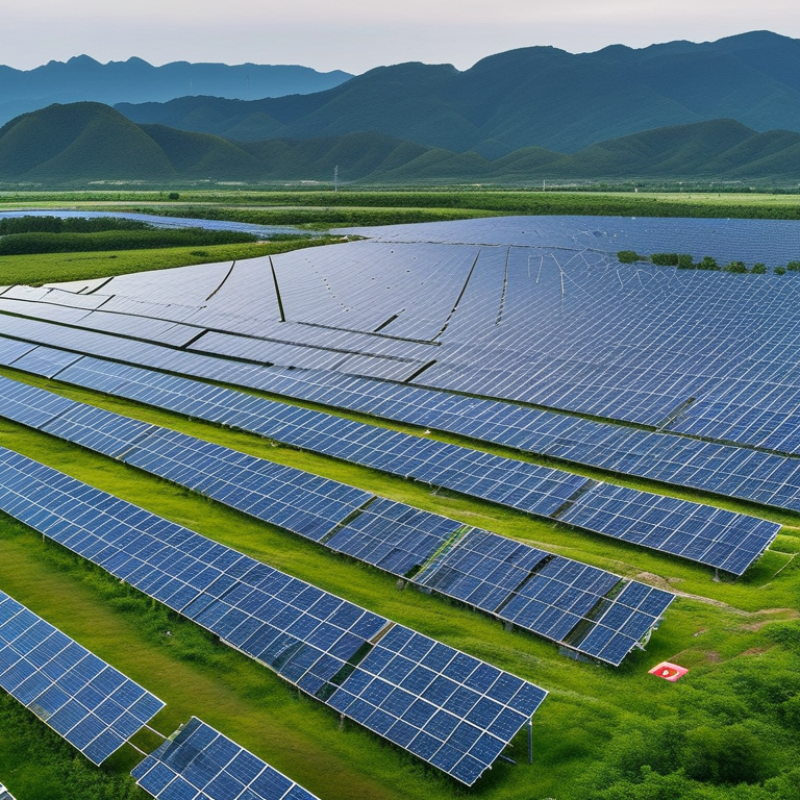
China’s role in the global solar power supply chain extends far beyond finished modules. The country supports major stages, including polysilicon refining, wafer slicing, cell production, glass, frames, and power electronics. The International Energy Agency’s Solar PV Global Supply Chains report states that China holds over 80% of global manufacturing capacity across key photovoltaic stages. Its wafer share approaches 95%.
The scale is substantial. IRENA’s Renewable Capacity Statistics 2024 records 216.9 gigawatts of solar capacity added in China during 2023. That represented most of the global solar expansion that year. The IEA PVPS Trends 2024 report places global photovoltaic capacity above 1,400 gigawatts by the end of 2023. These figures explain why overseas buyers often source from Chinese suppliers, especially for large utility projects needing thousands of standardized panels.
Cost is not the only advantage. Chinese production clusters can shorten component transport between factories, while experienced exporters commonly prepare palletized cargo, certification files, and serial-number records. Yet the picture is not perfectly balanced. Heavy concentration creates exposure to shipping delays, policy changes, and material price swings. Report figures also differ by reporting method. Buyers should therefore check factory audits, degradation guarantees, testing standards, and supply-chain traceability rather than relying only on quoted watt prices. Small details matter.
How to Evaluate Chinese Solar Power Suppliers
Evaluating Chinese solar power suppliers requires more than comparing quoted prices. Check their manufacturing history, export experience, and production capacity. A reliable supplier should provide traceable company details, factory addresses, and recent project references. Ask for product test reports from recognized laboratories. Verify whether certificates match the exact model, not an older series.
Request detailed specifications for power output, temperature coefficient, degradation rate, and warranty coverage. Review the warranty language carefully. Some promises sound generous but exclude shipping, installation errors, or unusual operating conditions. Inspect sample panels for frame alignment, glass quality, junction box sealing, and label consistency. Small defects may reveal weak process control.
Payment terms also deserve practical attention. Use staged payments linked to inspection and shipment milestones. Confirm packaging methods, container loading photos, and expected lead times. A supplier that answers technical questions clearly is often easier to manage after delivery. Still, communication is not proof of quality. My early evaluations focused too heavily on low prices and polished brochures. That mistake could have created expensive delays. Independent factory audits, pre-shipment inspections, and documented quality records provide stronger evidence. Ask how the supplier handles damaged goods, replacement parts, and performance disputes. Good suppliers welcome precise questions, although no supplier is perfect.
China Top 10 Solar Power Suppliers for Global Buyers - How to Evaluate Chinese Solar Power Suppliers
| No. | Anonymous Supplier Profile | Primary Product Focus | Technical Verification to Request | Commercial Data to Compare | Quality and Compliance Evidence | Logistics and After-Sales Checks | Evaluation Priority |
|---|---|---|---|---|---|---|---|
| 1 | Supplier Profile A Large integrated manufacturer |
High-volume photovoltaic modules for utility-scale and commercial projects | IEC 61215 and IEC 61730 certificates; published power tolerance; temperature coefficient; mechanical-load test results | Annual capacity, production lead time, minimum order quantity, payment terms, price validity period | ISO 9001 quality-management certificate; factory audit; serial-number traceability; third-party inspection access | Container-loading plan, export documentation, packaging specification, claims-response procedure | Very High |
| 2 | Supplier Profile B High-efficiency module specialist |
N-type monocrystalline modules using advanced passivated-cell designs | Cell technology, degradation model, bifaciality data where applicable, low-light performance, power-class availability | Price premium versus standard modules; availability of matching electrical ratings; forecast allocation | Independent test reports; product warranty terms; documented factory quality-control checkpoints | Compatibility with inverters and mounting systems; replacement policy; technical support response time | Very High |
| 3 | Supplier Profile C Commercial and industrial project supplier |
Modules and system packages for factories, warehouses, and distributed-generation projects | Roof-load considerations, module dimensions, fire classification, cable and connector specifications | Project-based quotation, engineering-document fees, customization cost, delivery batches | ISO 9001 evidence; bill-of-materials control; incoming-material inspection records | Roof-site documentation support; packing for mixed shipments; local installer training | High |
| 4 | Supplier Profile D Residential solar equipment supplier |
Small-format modules, microinverter-compatible products, and residential system components | Module dimensions, connector compatibility, inverter matching, shading performance, installation clearances | Small-order pricing, sample policy, spare-parts pricing, distributor discount structure | Relevant electrical-safety certifications; installation manuals; product liability documentation | Warranty registration process, replacement availability, multilingual technical documentation | High |
| 5 | Supplier Profile E Export-oriented OEM/ODM supplier |
Private-label photovoltaic modules and customized packaging for international distributors | Approved design drawings, label and nameplate review, bill-of-materials lock, sample approval process | Tooling or artwork fees, private-label MOQ, production schedule, payment and inspection milestones | Factory ownership or production authorization; change-control process; batch traceability | Branding compliance, carton labeling, pallet configuration, export-market documentation | High |
| 6 | Supplier Profile F Special-environment module supplier |
Modules intended for coastal, hot, humid, snowy, or high-altitude installations | Salt-mist, humidity-freeze, damp-heat, ammonia, PID, and mechanical-load test evidence as applicable | Environmental-performance surcharge, special packaging, project-specific testing cost | Test laboratory accreditation; environmental test duration; material compatibility records | Storage requirements, transport protection, installation limitations, regional service coverage | Very High |
| 7 | Supplier Profile G Utility-scale procurement supplier |
Large-volume modules for solar farms and infrastructure tenders | Guaranteed power distribution, degradation assumptions, product dimensions, tracker compatibility | Volume price breaks, delivery schedule, liquidated-damages terms, capacity reservation | Bankability documents, audited financial information, project references, factory inspection rights | Port options, shipment tracking, delivery milestones, long-term warranty administration | Very High |
| 8 | Supplier Profile H Flexible low-to-medium volume supplier |
Standard photovoltaic modules for distributors, installers, and pilot projects | Current datasheet, certificate validity, sample performance, connector and cable specifications | Low MOQ, sample cost, mixed-container terms, quotation transparency, stock availability | Pre-shipment inspection option; certificate authenticity; documented corrective-action process | Fast quotation response, consolidated shipping, replacement stock, English-language support | Medium |
| 9 | Supplier Profile I Integrated solar-system supplier |
Modules combined with inverters, mounting structures, batteries, or monitoring equipment | System compatibility matrix, operating voltage range, communications protocol, energy-yield assumptions | Package pricing, separate component warranties, software fees, commissioning charges | Component-level certifications; system test reports; cybersecurity and data-access policies | Commissioning support, remote troubleshooting, spare-parts inventory, service-level agreement | High |
| 10 | Supplier Profile J Emerging technology supplier |
New module formats, lightweight modules, building-integrated products, or specialized applications | Independent reliability data, field-test duration, fire and structural testing, installation method validation | Technology premium, development MOQ, sample lead time, cost of future design changes | Independent laboratory reports; production maturity; warranty reserve and financial-risk review | Installer training, replacement compatibility, long-term parts availability, end-of-life plan | Medium |
Top 10 Chinese Solar Power Suppliers for Global Buyers
China offers a broad manufacturing base for global solar buyers, but supplier choice requires more than comparing prices. Chinese solar power suppliers serve residential, commercial, and utility-scale projects with panels, inverters, batteries, and mounting systems. A capable supplier should provide clear technical datasheets, stable production capacity, and traceable quality records. Ask for recent test reports, factory audit details, and evidence of compliance with relevant international standards.
Experience shows that communication can affect project results as much as product performance. Confirm delivery terms, packaging methods, spare parts, and warranty procedures before signing an agreement. Request a sample order when possible. Inspect connector quality, frame finishing, labels, and packing protection. Small defects may become expensive during installation. Buyers should also check whether the supplier understands local grid requirements and climate conditions. A desert project needs different planning than a coastal installation. Some supplier websites look convincing, yet documentation may remain incomplete. That deserves careful reflection.
Tips: Compare at least three written quotations with matching specifications. Do not judge value by module price alone. Calculate transport, insurance, testing, installation support, and replacement costs. Use video inspections or independent audits before larger payments. Keep every technical promise in the contract. A reliable supplier answers difficult questions directly, even when the answer is not ideal.
Products, Certifications, and Export Capabilities
China’s top ten solar power suppliers should be compared through products, certifications, and export capability. The market is large, but specifications can hide important differences. The IEA’s Renewables 2024 report estimates that global solar photovoltaic additions reached nearly 420 GW in 2023. IRENA reported about 347 GW of new solar capacity for the same year. Different accounting methods explain part of this gap. Buyers should check the source, not copy one number.
Product reviews should cover modules, inverters, batteries, mounting systems, and monitoring software. Ask for independent test reports under IEC 61215 and IEC 61730 for modules. Inverters may require IEC 62109 safety testing and local grid-code compliance. ISO 9001 supports quality management, while ISO 14001 and ISO 45001 indicate environmental and workplace controls. A certificate alone proves little. Verify its issuer, scope, expiry date, and matching model number.
Export capability is visible in practical details. A reliable supplier can provide packing photos, container-loading plans, multilingual manuals, HS codes, and traceable serial numbers. The China Photovoltaic Industry Association has repeatedly reported strong domestic manufacturing capacity, yet capacity does not guarantee stable delivery. Request recent shipment records, warranty response times, spare-parts locations, and factory audit access. Payment terms also deserve careful review. Low prices attract attention. They can create costly delays. Some supplier websites remain incomplete, and that is a warning worth considering. A small pilot order may reveal packaging damage, communication gaps, or certification mismatches before a large project begins.
Choosing the Right Supplier for Your Solar Project
Choosing the right Chinese solar supplier requires more than comparing module prices. Scale matters, but it is not proof of fit. IEA PVPS Trends 2024 estimates that global photovoltaic additions reached about 456 GW in 2023. China supplied nearly half of that new capacity. This scale supports competitive pricing, yet quality consistency still varies between factories. IRENA’s Renewable Capacity Statistics 2024 records approximately 1,419 GW of global solar capacity by the end of 2023. Your supplier must match your project’s climate, grid rules, delivery schedule, and after-sales needs.
Request audited production records, third-party test reports, and recent project references in similar environments. Check temperature coefficients, degradation rates, product warranties, and spare-parts availability. Ask whether the quoted output uses independent testing or only factory measurements. A low price can hide weaker documentation. It can also create expensive delays at customs or during commissioning. Factory audits are useful, but they are not perfect. One visit cannot represent every production batch.
Tips: Compare at least three suppliers using the same technical specification. Verify IEC certification directly with the testing body. Review the warranty’s governing law and claim process. Ask for serial-number traceability and shipment inspection rights. Use a staged payment plan linked to inspection results. Keep a small contingency budget; even strong suppliers can miss a delivery window.
China Top 10 Solar Power Suppliers for Global Buyers — Choosing the Right Supplier for Your Solar Project
Global solar PV capacity additions increased from approximately 97.0 GW in 2019 to 345.5 GW in 2023. This strong market expansion highlights the importance of evaluating supplier manufacturing capacity, delivery reliability, product quality, warranties, and technical support when selecting a solar project partner.
Source: International Renewable Energy Agency (IRENA), Renewable Capacity Statistics 2024. Values represent annual global solar photovoltaic capacity additions.
Related Posts
-
Maximize Your Energy Savings with Innovative Solar Products for Homeowners
-

Navigating Import Export Certifications for the Best Solar Energy Products Worldwide
-
Exploring the Future of Solar Solutions at the 138th Canton Fair 2025: Trends and Innovations in China
-
Elevate Your Business with Superior Water Solar Systems from China's Leading Manufacturer
-
What is Solar Power and How Does It Work?
-
5 Innovative Reasons Why Solar Submersible Pumps Are Revolutionizing Water Management in 2023
Contact Details
Address:
Solar Pump Solutions,
Borrisokane, Co. Tipperary, Ireland.