
2025 Top Solar Systems: Key Factors to Consider for Renewable Energy

As the urgency to transition to renewable energy sources escalates, Solar Systems have emerged as a pivotal solution in addressing global energy challenges. According to the International Renewable Energy Agency (IRENA), solar energy capacity reached 1,000 GW globally in 2020, with projections suggesting that the capacity could double by 2025. This exponential growth highlights not only the technological advancements in solar photovoltaic (PV) systems but also the increasing demand for sustainable energy solutions in combating climate change.

When considering the adoption of solar technology, several key factors come into play. The Levelized Cost of Energy (LCOE) for solar has plummeted by about 90% since 2010, making it one of the most affordable energy sources available today. Moreover, the integration of innovative energy storage solutions enhances the reliability and efficiency of Solar Systems, enabling users to harness solar power even during non-sunny hours. As we approach 2025, understanding these critical aspects will be essential for homeowners, businesses, and policymakers alike to maximize the benefits of solar energy and contribute to a more sustainable future.

2025 Top Solar Systems: Key Factors to Consider for Renewable Energy

Key Trends in Solar Energy Technology Advancements for 2025
2025 Top Solar Systems: Key Factors to Consider for Renewable Energy

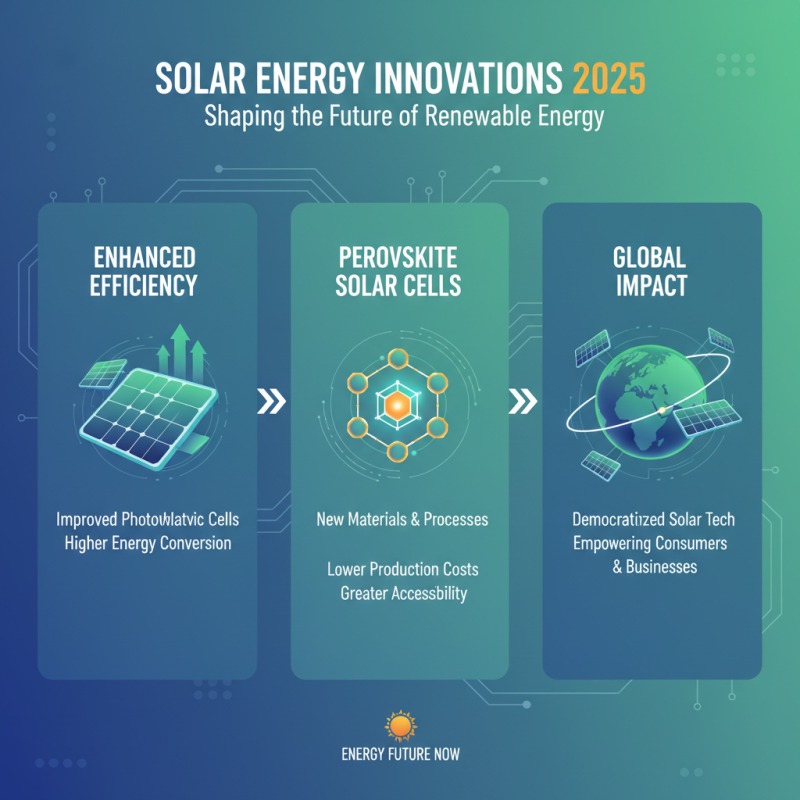
In 2025, the solar energy sector is expected to witness significant technological advancements, shaping the future of renewable energy. One key trend is the enhancement of photovoltaic cell efficiency through innovative materials and processes. Researchers are increasingly exploring perovskite solar cells, which promise higher energy conversion rates and lower production costs compared to traditional silicon-based cells. This shift could democratize solar technology, making it more accessible to both consumers and businesses alike.

Another vital trend is the integration of artificial intelligence (AI) and machine learning into solar energy systems. These technologies can optimize energy production by analyzing weather patterns and consumption data to adjust energy output dynamically. Additionally, smart grids will play a crucial role in managing the supply and demand of solar energy, facilitating a more resilient and efficient energy network. As these advancements progress, they will not only improve the effectiveness of solar systems but also contribute to the broader goal of sustainable energy transition.
Evaluating Solar Panel Efficiency: Metrics to Consider for 2025 Systems

As we approach 2025, the efficiency of solar panels emerges as a critical factor for homeowners and businesses alike when considering renewable energy solutions. Solar panel efficiency, typically expressed as a percentage, indicates how effectively sunlight is converted into usable electricity. Current industry reports suggest that the most efficient solar panels on the market achieve efficiencies exceeding 22%, with continuous improvements driven by advances in photovoltaic technology. Notably, the National Renewable Energy Laboratory (NREL) projects that these efficiencies could rise to 25% or higher as innovations develop, making it crucial for investors to stay informed.

When evaluating solar panel efficiency, it is essential to consider several key metrics. Aside from efficiency percentages, factors such as temperature coefficient and degradation rates significantly impact overall performance. The temperature coefficient measures how the panel’s efficiency performs under varying temperature conditions, a vital consideration in hotter climates. On the other hand, the degradation rate affects how much a panel's efficiency declines over time, with most high-quality panels promising less than 0.5% degradation annually. These evaluations enable consumers to choose systems that not only start strong but also maintain their performance over the long term.

**Tips:** Focus on choosing solar panels with a low degradation rate and a favorable temperature coefficient, particularly if you live in warmer regions. Additionally, combining panel efficiency with smart inverter technologies can further enhance energy conversion rates, maximizing your return on investment in renewable energy.

2025 Solar Panel Efficiency Comparison

Economic Factors Impacting Solar System Adoption in 2025

2025 Top Solar Systems: Key Factors to Consider for Renewable Energy

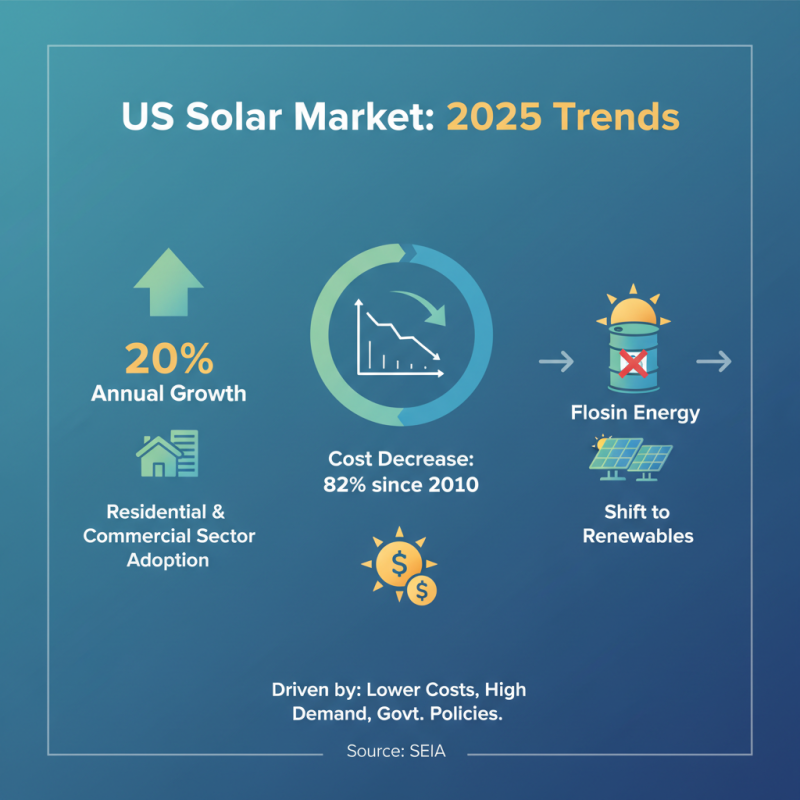
As we move towards 2025, several economic factors are driving the adoption of solar systems in both residential and commercial sectors. According to the Solar Energy Industries Association (SEIA), the U.S. solar market is expected to grow by over 20% annually due to decreasing installation costs and increasing energy demands. The average cost of solar photovoltaic (PV) systems has dropped by 82% since 2010, making renewable energy more accessible to homeowners and businesses alike. This trend is set to facilitate a shift from fossil fuels to cleaner energy sources, incentivized by various state and federal policies promoting solar investments.

In addition to cost reductions, financing options are becoming more favorable. With the introduction of Green Bonds and various tax incentives, potential adopters can find ways to offset upfront costs. For instance, the Federal Investment Tax Credit (ITC) allows for a significant tax break, which is expected to remain in place through the end of 2025. This, coupled with innovative financing models, enables consumers to pay for solar systems through monthly payments rather than a hefty upfront investment.

**Tip:** Consider conducting a detailed cost-benefit analysis to understand the long-term savings and environmental impacts of switching to solar energy.

Furthermore, economic stability in local markets and increased utility rates can further enhance the attractiveness of solar systems. With traditional energy costs rising, solar solutions not only contribute to sustainability but also offer savings on energy bills over time. Integration of solar systems is becoming not just an environmentally responsible choice but also a financially astute one.

**Tip:** Research local solar incentives and programs that can significantly reduce overall installation costs and improve return on investment.

Regulatory and Policy Influences on Solar Energy Growth by 2025

The growth of solar energy is heavily influenced by regulatory and policy frameworks that shape the renewable energy landscape. As we approach 2025, governments around the world are increasingly recognizing the importance of sustainable energy sources to combat climate change and enhance energy security. Policies that offer tax incentives, subsidies for renewable energy installations, and favorable financing terms are crucial in driving solar adoption. Furthermore, comprehensive regulatory frameworks that streamline permitting processes and establish clear guidelines for solar deployment can significantly reduce implementation barriers for both residential and commercial projects.

In addition to financial incentives, state and federal regulations play a pivotal role in creating a favorable environment for solar energy development. This includes renewable portfolio standards (RPS) that mandate a certain percentage of energy to come from renewable sources, as well as net metering policies that allow solar energy producers to sell excess energy back to the grid. As policies evolve, aligning them with sustainability goals can attract investments and foster innovation in solar technologies. By 2025, it is anticipated that more jurisdictions will adopt proactive measures that not only promote solar energy growth but also ensure equitable access to renewable resources for all communities.

Environmental Impact Assessments: Sustainability in Solar Energy Deployment

The solar energy sector has seen exponential growth, with installed photovoltaic (PV) capacity expected to reach over 3,000 GW by 2025, according to the International Energy Agency (IEA). However, as solar deployment accelerates, it is essential to conduct comprehensive Environmental Impact Assessments (EIAs) to ensure that sustainability remains at the forefront of this transition. EIAs evaluate the potential environmental consequences associated with solar projects, helping to minimize ecological disruption. For instance, land-use considerations are critical; solar farms often require significant land areas, impacting local ecosystems and biodiversity.

Furthermore, the sourcing of materials for solar panels must also be examined. A report by the National Renewable Energy Laboratory (NREL) highlighted that the production of solar cells involves rare materials, which can lead to environmental degradation if not managed properly. Sustainable practices such as recycling and responsible sourcing are now gaining traction to mitigate these risks. The deployment of solar energy systems should thus not only focus on energy generation but also adhere to rigorous sustainability standards to minimize the lifecycle impacts of the technology, fostering a truly renewable energy ecosystem.

2025 Top Solar Systems: Key Factors to Consider for Renewable Energy

Factor Description Importance Level Environmental Impact Score (1-10)
Efficiency The ability of solar panels to convert sunlight into usable energy. High 9
Sustainability of Materials Use of recyclable and sustainable materials in the manufacturing of solar panels. Medium 8
Land Use Impact of solar farm installation on local ecosystems and wildlife habitats. High 7
Waste Management Strategies for recycling or disposing of old solar panels. Medium 6
Community Impact Effects on local communities, including job creation and energy access. High 8
Carbon Footprint Total greenhouse gas emissions associated with solar panel production. High 9

Contact Details

Address:

Solar Pump Solutions,
Borrisokane, Co. Tipperary, Ireland.

Phone:

+353 86 1216312

Email:

sale@desasolar.com

Connect with us

Scroll to Top
Solar Pump Solutions
Privacy Overview

This website uses cookies so that we can provide you with the best user experience possible. Cookie information is stored in your browser and performs functions such as recognising you when you return to our website and helping our team to understand which sections of the website you find most interesting and useful.