Top 10 Solar Electric Fence Systems for 2026?

Choosing a Solar Electric Fence system in 2026 means looking beyond panel size or headline voltage. The right setup depends on the fence length, animal type, vegetation, sunlight, and local weather. A small pasture with clear sun has different needs from a remote boundary shaded by trees. Details matter.

This guide introduces ten systems and the practical features worth comparing: energizer output, battery capacity, charging performance, grounding requirements, and ease of installation. It also considers how clearly manufacturers explain maintenance and operating limits. A bright solar panel cannot compensate for poor grounding. Thick grass touching the wires can reduce performance, too. Small oversights count.

Specifications are useful, but they do not tell the whole story. A neat product page can still leave questions about cloudy-day operation or replacement parts. There is no perfect pick. The most suitable option is the one that fits the site and can be maintained reliably. Before buying, check current manufacturer instructions, confirm that the system suits your animals and fence layout, and follow applicable safety guidance. Those steps are less exciting than comparing features. They can prevent a costly mismatch. This overview is a starting point, not a substitute for checking real site conditions.
Top 10 Solar Electric Fence Systems for 2026?

How Solar Electric Fence Systems Work

How Solar Electric Fence Systems Work

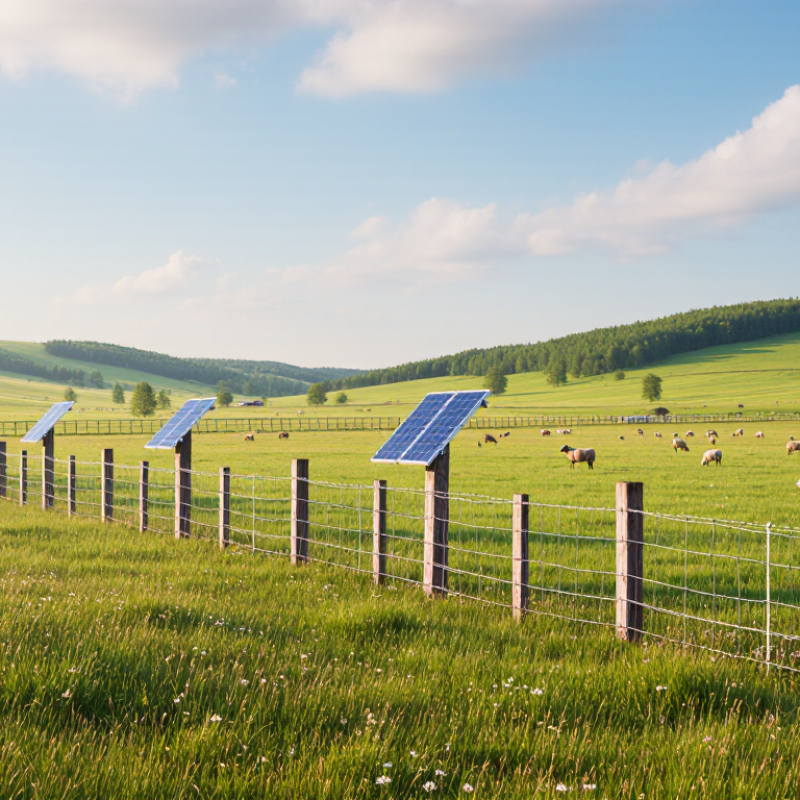
A solar electric fence uses a panel to collect sunlight and charge a rechargeable battery. The battery powers an energizer, which sends brief, high-voltage pulses along insulated fence wires. When an animal touches a live wire while standing on the ground, the circuit can close through its body and the earth. The resulting shock is short, not continuous. Proper grounding matters: without it, the fence may deliver a weak pulse even when the energizer is working.

Tips: Place the panel where it receives steady sun, and keep grass and branches away from live wires. Check the battery, connections, and grounding rods regularly. Use a fence tester to measure output; never test a live wire by hand.

In practice, neat diagrams meet messy grass. Wet vegetation can drain power, while shade may leave the battery short on charge. A system’s performance also depends on fence length, wire condition, and soil moisture. Check the manufacturer’s instructions for setup and maintenance, and inspect the fence after storms or seasonal changes. One overlooked connection can make the whole line unreliable.

Key Factors for Evaluating Solar Fence Systems in 2026

A solar fence system should be judged by the conditions it must handle, not just its advertised output. Check the energizer’s rated capacity against the fence length, vegetation, and animals being contained. A long, leafy boundary can lose power through contact and leakage. Ratings alone may not reflect that reality. Small details matter.

Inspect the solar panel, battery capacity, and grounding arrangement as a working set. A panel shaded by a barn or trees may collect too little energy, especially during short winter days. The battery should provide a practical reserve for cloudy weather, while grounding rods need suitable contact with local soil. Dry or rocky ground can make reliable grounding harder. This is easy to overlook.

Also consider installation, monitoring, and routine upkeep. A clear indicator or alarm can reveal a weak charge before the fence fails, but only if someone checks it. Look for weather-resistant components and accessible connections that can be inspected without dismantling the system. Match the design to the site, and leave room for seasonal changes. I would not assume one setup fits every pasture; even careful estimates can miss a gate, a low branch, or a patch of poor ground. Safety instructions and local requirements deserve attention before installation.

Top 10 Solar Electric Fence Systems for 2026? Key Evaluation Factors

A practical weighting framework for comparing systems—not a measured ranking of products. Adjust the weights to suit your fencing needs and local conditions.

Compare energizer performance against the fence length and animals being contained, then consider battery autonomy, solar charging, durability, safety features, and ease of maintenance. The suggested weights total 100%.

Top 10 Solar Electric Fence Systems for 2026

Choosing among the top 10 solar electric fence systems for 2026 starts with the job, not the biggest advertised rating. A compact paddock with short, clean wires needs less capacity than a long boundary with thick grass touching the fence. Compare energizer output, recommended fence length, battery storage, and panel size together. Numbers alone can mislead. Check whether the unit has a visible status indicator and a weather-resistant enclosure, especially if it will sit far from the house. Reliable grounding matters, too: dry or rocky soil may require extra ground rods. Installation details are easy to overlook.

Tips: Trim vegetation regularly, face the solar panel toward strong sunlight, and keep it clear of shade. Inspect connections after storms. A simple voltage tester helps reveal weak spots along the line.

For a 2026 shortlist, group systems by use: small gardens, livestock paddocks, or extended perimeter fencing. Then compare maintenance needs and replacement-battery availability, not just purchase price. I would leave room for local conditions; even a well-sized system can underperform through long cloudy spells. Check the maker’s operating guidance before installation, and test the fence before relying on it.

Comparing Output, Coverage, and Battery Performance

Comparing the top 10 solar electric fence systems for 2026 means looking beyond advertised coverage. Output energy, measured in joules, describes each pulse; stored and delivered energy are not interchangeable. Check rated output, battery capacity in amp-hours, panel wattage, and the conditions behind coverage claims. These are not universal field results. Wet grass, long leads, and weak grounding can reduce voltage at the far end.

Battery performance depends on more than a sunny-day rating. Ask how long each unit operates after several cloudy days, and whether its battery can be replaced. A 2013 review by NREL researchers found median photovoltaic module degradation of about 0.5% per year across the studies reviewed. That figure describes modules, not complete fence systems, but it is a useful reminder: panel condition affects charging over time. Test voltage at the farthest wire, not only beside the energizer. Small detail. Often missed.

Tips: Compare joules, battery capacity, and coverage under similar conditions. Clear grass near wires, inspect connections, and check the fence after cloudy weather. A tidy specification sheet can still disappoint in the field.

Installation and Maintenance Requirements

A solar electric fence works well only when its layout, grounding, and sunlight exposure are planned together. Walk the fence line before installation and remove loose wire, sharp branches, and other hazards. Place the energizer where its panel receives several hours of direct sun, not beneath a tree or roof edge. Keep the unit accessible for inspection. Small placement errors matter.

Follow the unit’s instructions for grounding and wire connections; requirements vary with equipment and soil conditions. Drive ground rods into consistently moist soil where practical, and keep connections tight and corrosion-resistant. Use an electric-fence voltage tester to check the line after installation and at regular intervals. A handheld reading can reveal faults that a visual check misses. Keep vegetation from touching the wire, since wet grass can drain power and make performance uneven.

Maintenance is simple, but easy to postpone. Wipe dust from the solar panel, inspect wires and insulators for damage, and check the battery before extended cloudy periods. After storms, look for fallen limbs or shifted posts. Record voltage readings so gradual changes are easier to spot. One limitation deserves attention: solar charging may not keep pace with heavy shade or long overcast stretches. Plan for those conditions rather than assuming the system will recover on its own.

Contact Details

Address:

Solar Pump Solutions,
Borrisokane, Co. Tipperary, Ireland.

Phone:

+353 86 1216312

Email:

sale@desasolar.com

Connect with us

Scroll to Top
Solar Pump Solutions
Privacy Overview

This website uses cookies so that we can provide you with the best user experience possible. Cookie information is stored in your browser and performs functions such as recognising you when you return to our website and helping our team to understand which sections of the website you find most interesting and useful.