How to Choose the Best Solar Energy System for Your Needs?
Solar energy has moved from a niche upgrade to a serious household investment. In its Renewable Capacity Statistics 2024 report, IRENA recorded 346 gigawatts of new solar photovoltaic capacity in 2023—about 73% of all renewable capacity added that year. The momentum is real. So is the decision facing homeowners: which system fits their roof, electricity use, budget, and plans?
“The age of renewable power is here,” IEA Executive Director Fatih Birol has said. The International Energy Agency’s Renewables 2023 report also described solar PV as “the new king of electricity markets around the world.” Those industry signals explain the growing interest, but they do not make every installation a good fit. A shaded roof, a high evening load, or limited export credits can change the economics. Details matter.
A practical comparison starts with recent electricity bills, roof orientation, usable area, and local installer proposals. Then consider system size, panel and inverter warranties, battery storage, and the value of sending surplus power back to the grid. Not every home needs a battery. And the largest system is not automatically the best one. This guide will help you weigh those choices, understand the trade-offs, and ask sharper questions before signing a contract. One honest caveat: estimates are still estimates. Your actual savings depend on weather, equipment performance, utility rules, and how your household uses power.
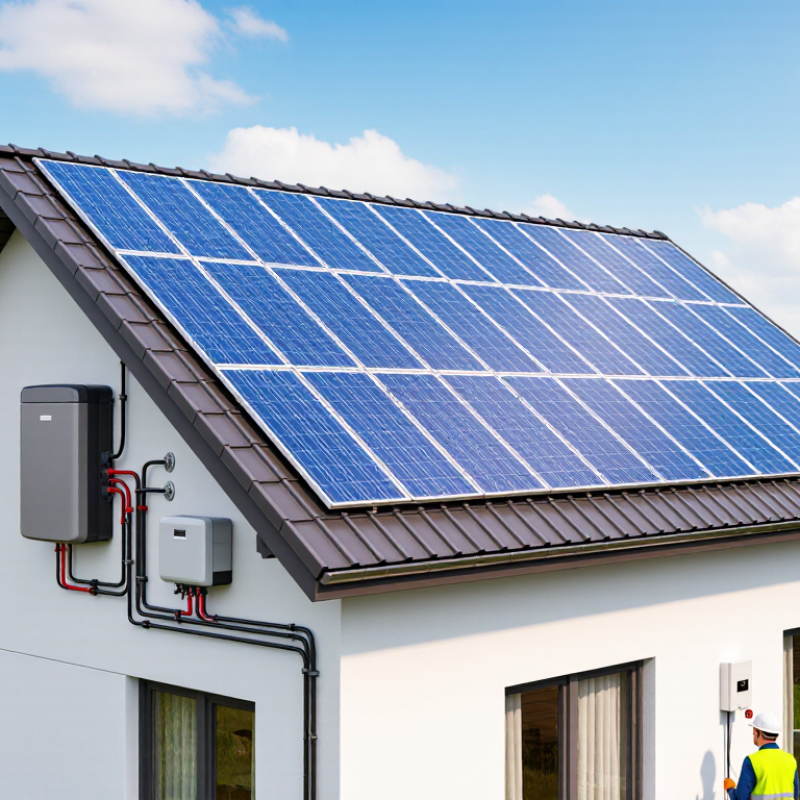
Assessing Household Energy Use and Solar Goals
Start with twelve months of electricity bills, not a guess based on the latest month. Record your household’s monthly kilowatt-hour use and note seasonal changes. Air conditioning, electric heating, and pool pumps can create sharp peaks. Small details matter. Compare daytime use with evening use if your utility provides hourly data. This helps show whether solar generation may match your routine or whether energy storage deserves consideration. Also note planned changes, such as buying an electric vehicle or adding a home office. It is easy to overestimate future needs; write down what is likely, not merely possible.
Your goals shape the system you need. Lowering bills may call for a different setup than keeping essential lights and refrigeration running during outages. List the appliances that matter most, and estimate how long you would want them powered. Check roof direction, shade from trees, and usable roof area; these can affect production. Ask installers to explain their assumptions about energy use, shading, and seasonal output. Solar estimates are estimates, not promises. I once treated a yearly average as the whole story, but winter use can look very different. Keep the bills nearby when comparing proposals, and question any estimate that does not match your household’s actual pattern.
Evaluating Roof Conditions and Local Solar Potential
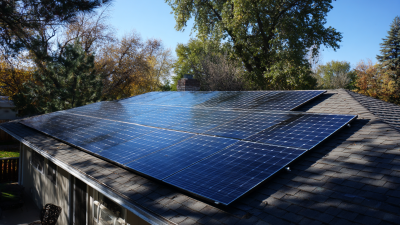
A roof can look sunny at noon and still lose valuable production to morning shade. Check nearby trees, chimneys, vents, and neighboring buildings at several times of day. Small shadows matter. Note the roof’s direction and slope, too; these affect how much sunlight modules receive. An installer should also inspect roof age, leaks, and structural condition before sizing a system. Replacing an aging roof after installation can add cost and disruption.
Local solar potential is more than a regional sunshine map. NREL’s PVWatts calculator estimates energy production using a location’s weather data, system size, tilt, direction, and losses. Treat its result as an estimate, not a promise: site-specific shade and roof obstacles can change actual output.
NREL’s 2016 rooftop assessment estimated 1,118 gigawatts of technical solar capacity across suitable U.S. rooftops, enough to generate about 1,432 terawatt-hours annually. That national figure describes potential, not what any single home can produce.
Ask for a site-specific production estimate that identifies its shade assumptions and weather source. Compare it with your utility bills across seasons, not just one sunny month. A tree may grow; a roof detail may have been missed. I would want those uncertainties written down before choosing equipment size.
Comparing Solar System Types and Key Components
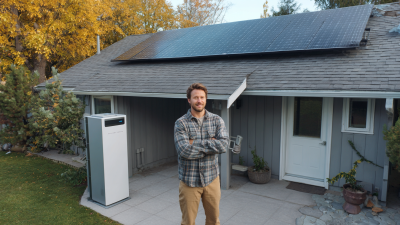
Choosing among solar system types starts with what happens when the grid fails. A grid-tied system is usually simpler and sends surplus power to the grid, but standard systems shut down during outages. A hybrid system adds a battery for selected backup circuits. An off-grid system needs enough generation and storage for long cloudy periods, which can make it larger and costlier.
The market is expanding quickly. IRENA’s Renewable Capacity Statistics 2025 reports that solar capacity grew by about 452 GW worldwide in 2024. That scale matters. Yet global growth does not tell you which setup suits a shaded roof or a home with evening-heavy electricity use.
Look closely at the components. Panels produce direct-current electricity; an inverter converts it for household use. String inverters are often straightforward, while microinverters can help when roof sections face different directions. Batteries store energy, but usable capacity and power output are not the same thing. A battery may run lights yet struggle with a pump or air conditioner. Check those ratings against actual loads. A common planning mistake is sizing from the monthly bill alone; a few high-demand appliances can change the answer. NREL’s PVWatts calculator can estimate production, but its result is only an estimate. Local shade, roof angle, and winter weather still deserve a careful review.
Sizing a System to Match Energy Needs and Budget
Sizing a solar system starts with your actual electricity use, not a generic panel count. The U.S. Energy Information Administration reported average residential consumption of about 10,791 kWh per customer in 2022. Your own bills may look very different. Add the last 12 months of usage, then note changes such as a new heat pump or an electric vehicle. Small details matter.
Estimate production for your roof’s location, tilt, and shading with NREL’s PVWatts tool. It provides an estimate, not a guarantee. A north-facing roof, a chimney shadow, or winter weather can lower output. Compare the estimated annual production with your annual use, but also check month by month. Summer surplus will not automatically cover a winter shortfall. That part is easy to miss.
Budget for the system you can use, not just the largest one that fits. Ask installers for itemized quotes covering equipment, labor, permitting, and any battery. A battery can shift daytime solar into evening hours, but it adds cost; it may not pay off if your usage is mostly during daylight. Leave room for uncertainty. My own rough planning would start with bills and roof photos, then adjust after a site assessment—less tidy, but more realistic.
Reviewing Quotes, Warranties, and Installation Options
When comparing solar quotes, look beyond the total price. Ask for an itemized estimate covering panels, inverters, mounting hardware, permits, labor, and possible electrical upgrades. Compare system size and estimated annual production, not just panel count. A lower quote may omit roof repairs or a service-panel upgrade. Check the assumptions behind projected savings, too. Shade, roof direction, and utility rates can affect results. Estimates are estimates.
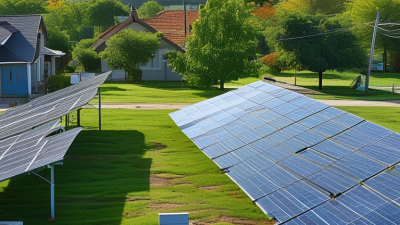
Read equipment and workmanship warranties separately. A long equipment warranty may not cover labor, removal, or installation faults. Ask who handles claims and what happens if the installer stops operating. Discuss installation options, such as roof-mounted or ground-mounted panels, and whether your roof needs repairs first. Request a clear schedule and confirmation of who will do the work. Small print matters. I still find warranty details easy to rush through, so take time to compare them line by line.
Tips: Ask each installer to explain differences between quotes in writing. Keep a copy of the final design, warranty terms, and payment schedule. If an answer feels vague, ask again.
How to Choose the Best Solar Energy System for Your Needs
Compare quotes for the same system size and review estimated annual energy production, total installed cost, and any battery or roof/ground-mount options. Warranty terms vary by product and installer, so check what each warranty covers, exclusions, and who handles claims—not just the number of years.