How to Choose the Right Surface Water Pump for Your Needs
Choosing the right surface water pump is a crucial step for anyone looking to efficiently manage water resources. Surface water pumps are designed to extract water from open bodies of water such as rivers, lakes, and ponds, making them essential tools for agricultural irrigation, firefighting, and residential water supply. With a variety of options available on the market, understanding the specific needs of your project is vital to ensure you select the most suitable surface water pump.
When considering a surface water pump, several factors come into play, including the pump's flow rate, lift capacity, and the quality of the water being pumped. Each application may require different specifications, making it important to assess the volume of water needed, the distance it must be pumped, and the nature of the surrounding environment. Carefully evaluating these parameters can aid in selecting a pump that not only meets operational demands but also operates efficiently and reliably.
In summary, making an informed choice about a surface water pump involves a thorough understanding of your unique water management needs. Whether you are a homeowner, farmer, or contractor, recognizing the key features and selection criteria will empower you to choose the right pump for your specific situation, ultimately leading to improved performance and satisfaction in your water management efforts.
Types of Surface Water Pumps and Their Applications
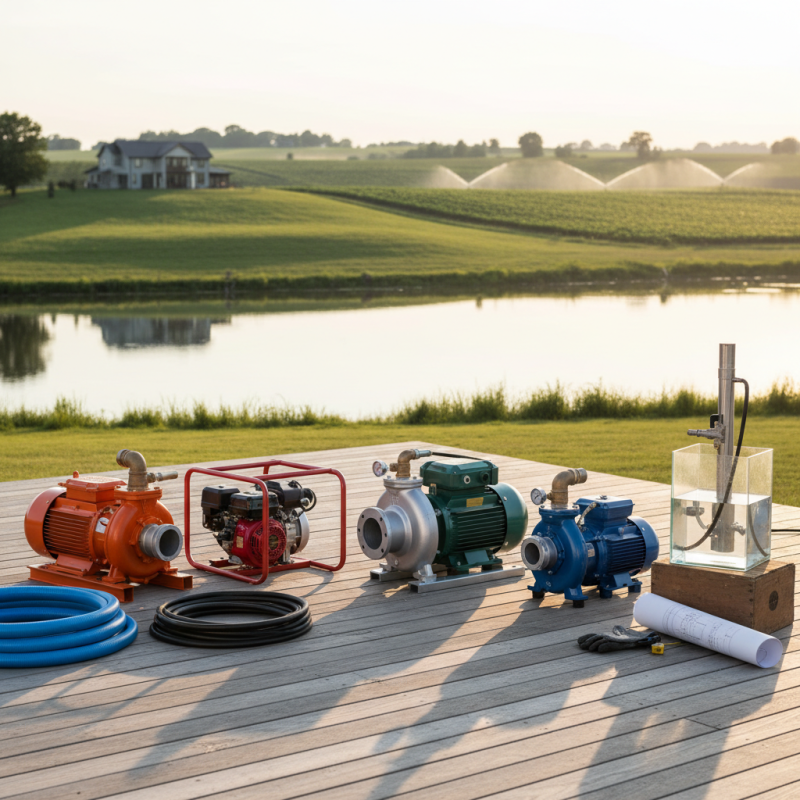
When selecting a surface water pump, understanding the various types and their specific applications is crucial. Surface water pumps are primarily categorized into types such as centrifugal pumps, diaphragm pumps, and submersible pumps, each designed for different tasks.
According to industry reports, centrifugal pumps account for approximately 65% of the market due to their efficiency in moving large volumes of water quickly. These pumps are ideal for irrigation, drainage, and dewatering applications, where high flow rates are necessary.
Diaphragm pumps, on the other hand, are valued for their ability to handle slurries and viscous fluids. Their innovative design allows for consistent pressure, making them suitable for agricultural and industrial processes where precision is critical. Recent data indicates a growing interest in diaphragm pumps, with a projected market growth of 7% annually as industries strive for more reliable and cleaner pump solutions. Submersible pumps are another important type, often used in municipal applications and groundwater extraction. These pumps are designed to operate underwater, providing significant advantages in pumping efficiency and energy use, as they minimize the distance water needs to travel.
Choosing the right type of surface water pump hinges on understanding the specific needs of your project, including flow rate, head height, and the type of fluid being moved. Industry insights suggest that evaluating these factors allows for optimal performance and longevity of the equipment, ultimately saving time and resources in water management operations.
Key Factors to Consider When Selecting a Surface Water Pump
When selecting a surface water pump, there are several key factors to consider to ensure you choose the most suitable option for your specific requirements. First and foremost, you need to assess the source of water and its characteristics, such as the quality and clarity of the water. Turbidity levels can affect the pump performance, so if you expect to deal with debris, a pump with a robust filtration system will be essential.
 Additionally, think about the pump's flow rate and how much water you will need to move within a given time frame. This will help you determine the appropriate size and power of the pump.
Tips: Always calculate the total dynamic head (TDH) to understand the height and pressure you need. This includes considerations like the vertical lift, any horizontal distance water needs to travel, and potential friction losses in the piping. Properly sizing your pump will prevent premature wear and ensure efficient operation.
Lastly, consider the pump's ease of maintenance and durability. Look for features that allow for simple serviceability, as this can save you time and money in the long run. Furthermore, evaluate energy efficiency ratings, as investing in an efficient model can lead to significant savings on electricity costs over time. By taking these factors into account, you can make an informed decision that aligns with your needs and budget.

Understanding Pump Specifications: Flow Rate and Head Pressure
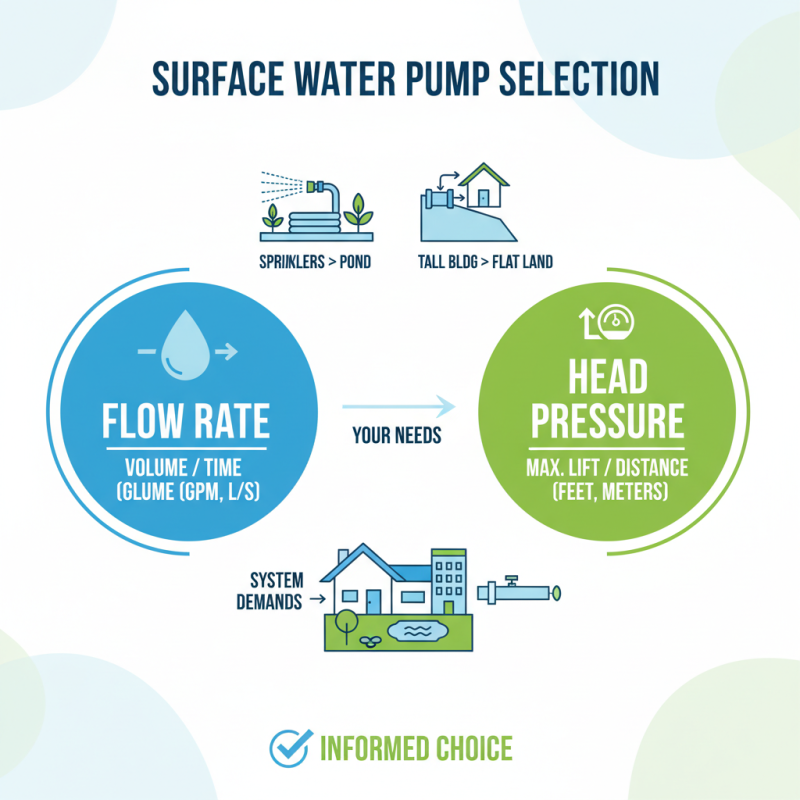
When choosing a surface water pump, understanding two critical specifications—flow rate and head pressure—is essential for making an informed decision. The flow rate refers to the volume of water the pump can move in a specified time, often measured in gallons per minute (GPM) or liters per second. It is crucial to consider your needs: for instance, a garden with a sprinkler system may require a higher flow rate, while a small pond may need less.
On the other hand, head pressure, measured in feet or meters, indicates how high the pump can lift water against gravity. Knowing the total lift needed, which includes the vertical distance from the pump to the water source and any elevation changes along the discharge line, will help determine the right head pressure for your application.
Tips: Always consider both flow rate and head pressure together; a pump with a high flow rate but inadequate head pressure will not function effectively for elevated applications. Additionally, consult with a professional or use a pump selection guide to match your specific needs, ensuring optimal performance and longevity of your water pumping system.
Evaluating Energy Efficiency and Power Source Options
When selecting the right surface water pump, evaluating energy efficiency and power source options is crucial for both performance and cost-effectiveness. According to the U.S. Department of Energy, pumps consume about 20% of all industrial energy use. Therefore, opting for energy-efficient models can significantly reduce electricity costs. When assessing energy efficiency, look for pumps with high-efficiency motors that meet the latest EPACT standards. These pumps not only lower operational costs but also provide reliable functionality over time.
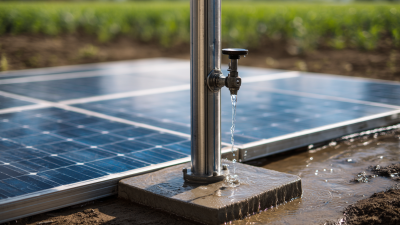
In terms of power sources, it's essential to consider both conventional and alternative options. Electric pumps are widely used due to their convenience and low maintenance requirements. However, in remote locations where electrical infrastructure is lacking, solar-powered pumps are gaining popularity. A report by the International Renewable Energy Agency indicates that solar pumps can reduce energy costs by up to 90% in areas with ample sunlight. Additionally, these pumps often have lower operating costs, making them an appealing choice for sustainable practices.
**Tips:**
- Always consider the total dynamic head to determine the necessary power of the pump, ensuring optimal performance.
- Assess the local availability of energy sources, as this will influence both installation costs and long-term operational efficiency.
Energy Efficiency Ratings of Surface Water Pumps
This chart represents the energy efficiency ratings of various surface water pump models. Each pump is evaluated on a scale of 1 to 10, with higher ratings indicating better energy efficiency.
Maintenance Tips for Optimal Performance of Surface Water Pumps
Maintaining your surface water pump is crucial for ensuring its optimal performance and longevity. Regular maintenance not only helps prevent breakdowns but also enhances efficiency. One of the simplest yet effective tips is to check the pump's filter regularly. Clogged filters can significantly reduce water flow and lead to overheating. Cleaning or replacing the filters as needed can help maintain steady operation.
Another key aspect of maintenance involves monitoring the pump's seals and connections for leaks. A small leak can escalate into a bigger problem, reducing the pump's efficiency and increasing operational costs. Inspecting these areas routinely allows for early detection and prompt repairs, ensuring that your surface water pump runs smoothly.
Lastly, consider keeping a maintenance log. Documenting the dates and types of maintenance you perform can be invaluable. This practice helps you keep track of when parts were last serviced or replaced and can provide insights into the pump's performance trends over time. Regular attention to these maintenance tips will help you get the most from your surface water pump, ensuring it continues to meet your needs effectively.
How to Choose the Right Surface Water Pump for Your Needs - Maintenance Tips for Optimal Performance of Surface Water Pumps
| Feature |
Description |
Recommended Maintenance |
Frequency |
| Pump Type |
Centrifugal Pump |
Check for leaks and blockages |
Monthly |
| Horsepower |
1 - 5 HP |
Inspect motor and electrical connections |
Quarterly |
| Flow Rate |
Up to 200 GPM |
Clean impeller and filters |
Every 6 months |
| Suction Lift |
Max 25 ft |
Check seal and vacuum gauge |
Annually |
| Voltage |
220V / 440V options |
Test electrical components |
Annually |