
How to Choose the Best Silent Diesel Generator for Your Needs?

Choosing the best silent diesel generator for your specific needs involves careful consideration. A silent diesel generator can provide reliable power without the disruptive noise most generators create. Imagine working in peace while still having access to essential electricity.

When searching for a silent diesel generator, think about your power requirements. How many devices will you run simultaneously? Will you need it for outdoor events, construction sites, or home backup? Understanding your power needs will help narrow down your options significantly.

It’s also vital to evaluate the generator's noise level. While most silent diesel generators are quieter than traditional models, they still produce sound. A smaller generator may fit your space better but might not meet higher demands. Reflecting on these factors can guide you to a well-suited choice, ensuring you prioritize both power and tranquility.
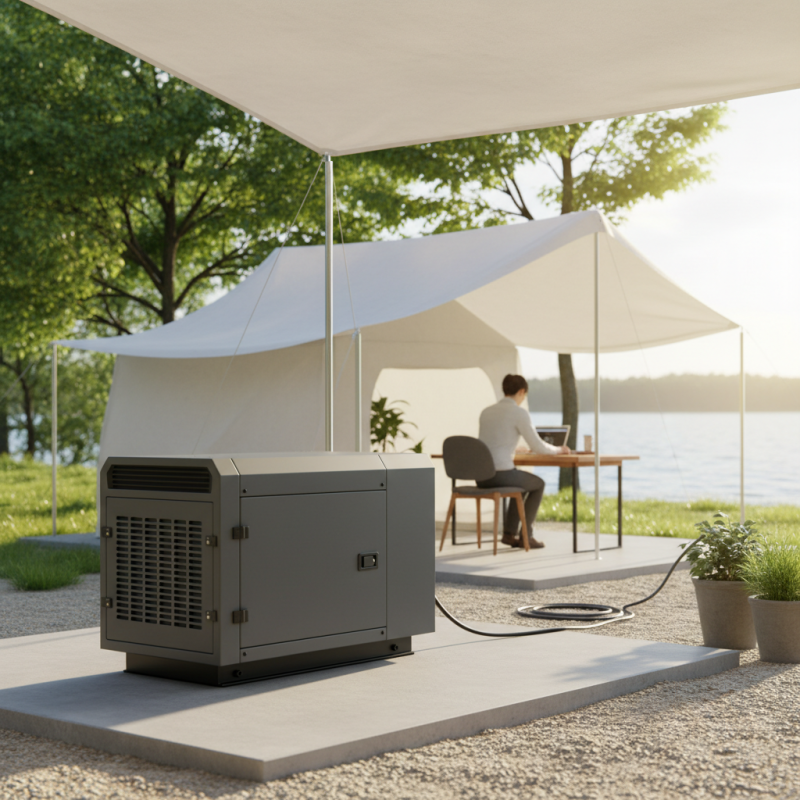
How to Choose the Best Silent Diesel Generator for Your Needs?

Factors to Consider When Choosing a Silent Diesel Generator

Choosing a silent diesel generator requires careful consideration. Noise level is a primary factor. A generator that operates quietly is essential for residential areas. Look for models with noise ratings below 60 decibels. This ensures minimal disturbance to your neighbors.

Fuel efficiency is another important aspect. Diesel generators tend to consume less fuel than gasoline counterparts. However, not all models are equally efficient. Research fuel consumption rates and choose one that fits your usage patterns. This can save costs in the long run.

Portability should also be evaluated. Will you move the generator often? A lightweight design with sturdy wheels might be necessary. Additionally, consider the power output. The generator should meet your specific energy needs. Be wary of choosing a model that is too powerful, as it can lead to wasted energy. Finding the right balance is key.

How to Choose the Best Silent Diesel Generator for Your Needs?

When selecting a silent diesel generator, consider factors like noise level, fuel efficiency, power output, and size. Below is a chart reflecting various generator models against these important factors.

Understanding Generator Noise Levels: What is Tolerance and Measurement?

Understanding generator noise levels is crucial in selecting the right equipment for your needs. Noise tolerance varies by application. For instance, a typical home generator operates around 60-70 decibels. This level can disrupt daily activities or disturb neighbors. In contrast, a silent generator usually operates below 60 decibels. These generators provide a more comfortable environment.

When measuring generator noise, the Sound Level Meter is a common tool. This device assesses the decibel level at a specific distance. Industry reports suggest that a distance of 7 meters often yields accurate results. However, conditions like wind or terrain can affect readings. Therefore, it's essential to conduct multiple tests for a reliable assessment. Many users overlook these factors, leading to mismatched expectations.

The perception of noise is subjective. Some people may find lower decibel levels acceptable while others may not. Sound frequency also plays a role. Lower frequencies tend to be more intrusive, even at similar decibel levels. Users should consider their unique environment and personal tolerance. Don't assume all silent models will perform the same. Each has unique characteristics that affect noise output.

Evaluating Power Output Requirements: Calculating Your Energy Needs

When evaluating power output requirements, begin by calculating your total energy needs. Estimate the wattage of the devices you plan to operate. Common household appliances vary in power consumption. For example, refrigerators often require 100-800 watts, while air conditioners can demand over 2000 watts. Understanding these figures helps clarify your generator size requirements.

It's crucial to account for starting and running watts. Some devices require significantly more power to start, around 1.5 to 3 times their running watts. This spike can catch many users off guard. Using data from the U.S. Department of Energy, a typical household may need about 2,500-4,000 watts for essential devices. However, your unique needs may fluctuate, making flexibility essential.

Consider your daily usage patterns and peak demand times. This assessment can reveal surprising insights. Inconsistent power requirements might lead to overbuying or insufficient capacity. Many users overlook how essential planning is. A well-considered energy strategy protects both your generator and appliances. Knowing your energy use reduces waste and maximizes efficiency, creating a more sustainable setup.

Assessing Fuel Efficiency: Impact on Long-Term Operating Costs

When selecting a silent diesel generator, fuel efficiency plays a crucial role in long-term operating costs. The type of fuel used affects not only performance but also your wallet. You should analyze the generator's fuel consumption rate to estimate its operational expenses. A generator that consumes less fuel can significantly cut costs over time.


Consider this: a generator running 8 hours daily can consume a lot of fuel. When choosing one, look for energy-efficient models. They may have a higher upfront cost but will save you money in the long run.


Tips: Always check for gensets with lower decibel ratings. They tend to be more fuel-efficient. Read reviews and user experiences. They reveal real-world performance. Don't overlook service intervals; less frequent servicing can save you money. Reflect on these factors before making your decision.

Maintenance and Durability: Key Features for Longevity and Reliability

When selecting a silent diesel generator, maintenance is paramount. Regular upkeep ensures it runs smoothly and lasts longer. Look for models designed for easy access to parts. This will make routine checks simpler. Regular oil changes and filter replacements are essential. They prevent build-up that can cause failures.


Another key feature is durability. Generators should withstand harsh weather and rough handling. Consider the materials used in construction. A sturdy casing will protect the internal components. Check for rust-resistant elements as well. Longevity is often linked to how well the generator can endure the elements.


Tips: Store the generator in a dry area. This can prevent degradation. Perform regular checks before use. Ensure all connections are secure. Avoiding neglect can save money over time.

Contact Details

Address:

Solar Pump Solutions,
Borrisokane, Co. Tipperary, Ireland.

Phone:

+353 86 1216312

Email:

sale@desasolar.com

Connect with us

Scroll to Top
Solar Pump Solutions
Privacy Overview

This website uses cookies so that we can provide you with the best user experience possible. Cookie information is stored in your browser and performs functions such as recognising you when you return to our website and helping our team to understand which sections of the website you find most interesting and useful.