Top Tips for Choosing Solar Powered Pumps for Your Needs?

Solar Powered Pumps have emerged as a sustainable solution for various water management needs. In 2022, the global market for these pumps reached $1.7 billion and is projected to grow by 15% annually. This rise highlights the increasing adoption of renewable energy technologies in agriculture and landscaping sectors. Choosing the right solar powered pump can greatly influence efficiency and cost-effectiveness.

Selection involves considering factors such as energy output and water requirements. Different designs cater to unique applications, whether for irrigation, livestock, or residential use. However, despite the many available options, some buyers may overlook vital specifications, leading to misfits in their systems. This mistake can hinder performance and increase operational costs.

It’s essential to analyze both the features and limitations of different models. Not every pump is suitable for every environment. Evaluating your specific needs and understanding local solar conditions will guide your decision. In a rapidly evolving market, staying informed is key. Explore reliable reports and seek professional advice to make the best choice for your situation.
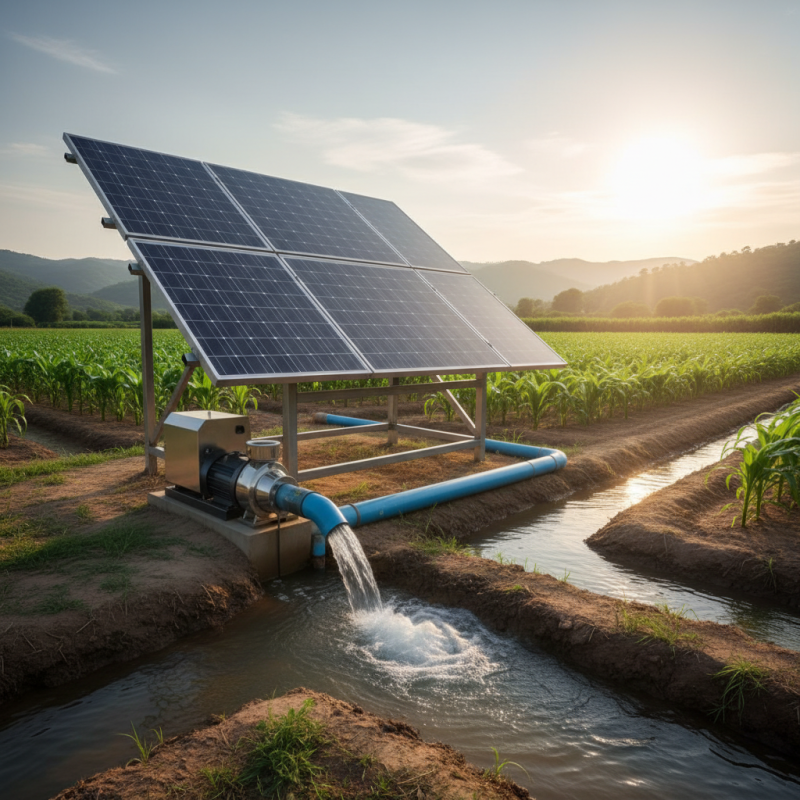
Top Tips for Choosing Solar Powered Pumps for Your Needs?

Understanding Your Water Pumping Needs

When choosing a solar-powered pump, understanding your specific water pumping needs is crucial. Consider the amount of water you need to move each day. Is it for irrigation, livestock, or a garden fountain? The volume will dictate the pump's capacity.

Assess your location's sunlight exposure. Some places see more sun than others. How many hours of direct sunlight do you have? If your area is cloudy, this might affect the pump's efficiency. This can lead to performance issues.

Here are some tips to guide your selection:

- Determine total head. This is the vertical distance the pump needs to move water.

- Look for energy efficiency. Higher efficiency can reduce your overall costs.

- Think about your budget. Sometimes, cheaper options may lead to more expenses later. Consider long-term costs.

Carefully reflecting on these aspects will help ensure you choose the right solar-powered pump for your unique needs.
Evaluating the Efficiency of Solar Powered Pumps

When evaluating the efficiency of solar powered pumps, it's essential to consider several factors. The pump's capacity is critical. You need to match it to your specific water needs. A pump that's too small won't meet requirements. On the flip side, one that is too powerful can waste energy. Efficiency isn't just about size; it's also about technology. Different solar panels have varying efficiencies. Higher efficiency means more energy converted from sunlight.

Another factor is the quality of materials used in the pump. Pumps made with durable materials usually last longer and perform better. Waterproof components are a must. They protect against moisture damage. You might wonder how to assess these factors practically. Reading reviews and seeking user feedback helps. However, take some of these reviews with a grain of salt. Personal experiences can differ significantly.

Lastly, installation plays a pivotal role in efficiency. A poorly installed system can hinder performance significantly. Ensure the solar panels receive ample sunlight. Regular maintenance checks are also essential for long-term usage. Ignoring the maintenance can lead to inefficiencies and premature wear. In conclusion, careful evaluation of these factors will lead to a better choice for solar powered pumps.

Efficiency Comparison of Solar Powered Pumps

Key Factors to Consider in Solar Pump Specifications

When selecting a solar powered pump, the specifications matter greatly. Start by examining the pump's flow rate. It needs to match your water needs. Too low and you’ll struggle to maintain adequate supply. Too high, and you may waste energy. A flow rate of 10-20 gallons per minute is often practical.

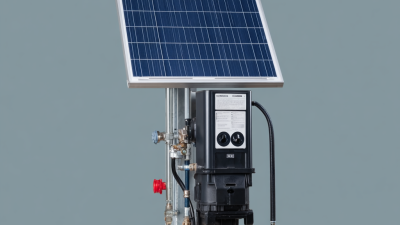
Next, look at the solar panel output. The power generated should align with the pump's requirements. Check the wattage; insufficient solar power can hinder performance. Consider the operating voltage as well. Many pumps run on 12V or 24V systems. This choice impacts installation and battery compatibility.

Don’t overlook the material quality either. The pump should withstand harsh weather conditions. Stainless steel or durable plastic can enhance longevity. In some cases, cheaper options may not hold up over time. You might end up with more repairs. Reflect on your specific needs and geographical conditions. Each decision impacts overall efficiency.

Assessing Installation Requirements for Solar Pumps

Top Tips for Choosing Solar Powered Pumps for Your Needs?

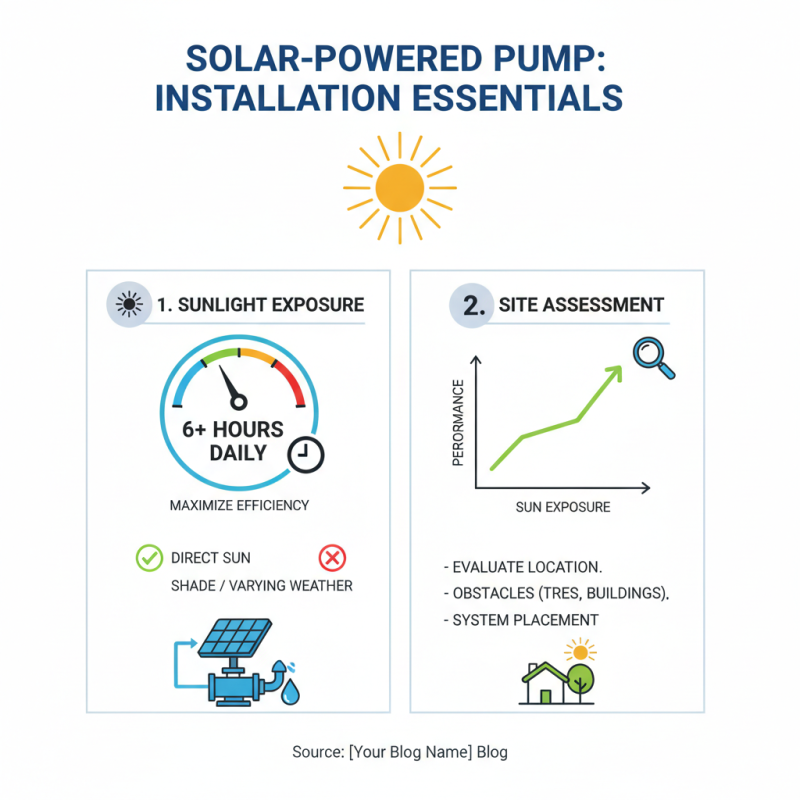
When choosing solar-powered pumps, installation requirements are crucial. Begin by assessing your site’s sunlight exposure. Ideally, the location should get direct sunlight for at least six hours daily. This helps maximize the pump's efficiency. If your area is shaded or has varying weather, consider how this could impact performance.

Water source accessibility is another factor. Determine how far your pump will be from the water source. Long distances can lead to energy losses. Also, check if you need any additional hardware for optimal connection. It’s often overlooked, but proper fittings are essential to prevent leaks.

Here are some tips. Always review local regulations before installation. Some areas have specific guidelines on solar pump setups. Consider the type of water you will be pumping. Clean water pumps differ from those that handle mud or debris. Finally, think about maintenance. Solar systems require less upkeep, but regular checks can ensure longevity. Reflect on the efficiency of your system after installation; adjustments may be necessary to optimize performance.

Maintaining and Optimizing Your Solar Powered Pumps

Maintaining and optimizing solar powered pumps requires attention to detail. Regular inspection is crucial. Look for wear and tear in components. Small cracks or leaks can lead to inefficiency. Keeping the system clean is another important step. Dust and debris can hinder performance. Check the solar panels regularly to ensure they are free from obstructions.

Monitoring water output helps in understanding pump efficiency. If you notice a drop, it may indicate a problem. Adjusting the angle of solar panels can maximize sunlight exposure. Seasonal changes can affect performance too. During winter, ensure snow does not cover the panels. Regular maintenance checks can help to identify issues early.

Be mindful of battery health if your pump is off-grid. Batteries need proper care to maintain their efficiency. Overcharging or deep discharging can shorten their lifespan. Consider using a maintenance schedule. It can help in staying consistent with tasks. Reflecting on these aspects will improve your system's longevity. Always seek to learn more about the technology you are using.

Contact Details

Address:

Solar Pump Solutions,
Borrisokane, Co. Tipperary, Ireland.

Phone:

+353 86 1216312

Email:

sale@desasolar.com

Connect with us

Scroll to Top
Solar Pump Solutions
Privacy Overview

This website uses cookies so that we can provide you with the best user experience possible. Cookie information is stored in your browser and performs functions such as recognising you when you return to our website and helping our team to understand which sections of the website you find most interesting and useful.