How to Choose the Best Water Solar Panel for Your Needs?

Choosing the right Water Solar Panel can seem daunting. With many options available, how do you find the best fit? It's essential to consider various factors. Your specific needs will guide your choice.

Water Solar Panels harness solar energy to heat water. This can be a cost-effective and eco-friendly solution for your home. However, not all panels are created equal. You must evaluate efficiency, size, and installation requirements.

Think about where you will use the panel. Will it be for residential use or a larger commercial project? Each context requires different specifications. Pay attention to warranties and the manufacturer's reputation. A quality Water Solar Panel should last for years, providing reliable performance. Taking the time to research is crucial before making a purchase.
How to Choose the Best Water Solar Panel for Your Needs?

Understanding the Basics of Water Solar Panels and Their Benefits

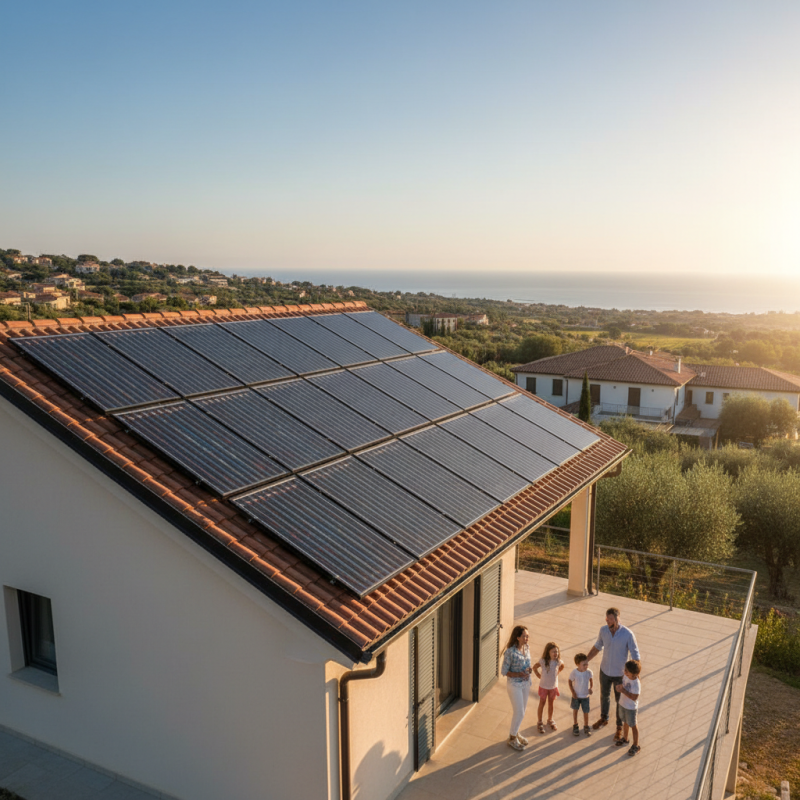
Water solar panels capture sunlight to heat water, offering an eco-friendly solution for various applications. Understanding how they work is crucial. Unlike traditional panels, these systems use thermal energy to heat fluid, which is then stored or used immediately. This efficiency can significantly reduce utility bills and carbon footprints.

When considering installation, placement is important. Roofs, backyards, or commercial spaces can all be viable options. Make sure there’s ample sunlight. Obstructions might reduce effectiveness. Regular maintenance is also necessary to ensure optimal performance. Inadequate care could lead to decreased efficiency over time.

Here are some tips: Look for local environmental conditions before choosing a system. That can impact performance. Think about your hot water needs to determine the size. Smaller households may not need expansive systems. Evaluate potential energy savings and costs associated with installation. This reflection will help you make a well-informed decision.
How to Choose the Best Water Solar Panel for Your Needs?

Assessing Your Household's Water Heating Needs and Energy Consumption

How to Choose the Best Water Solar Panel for Your Needs?

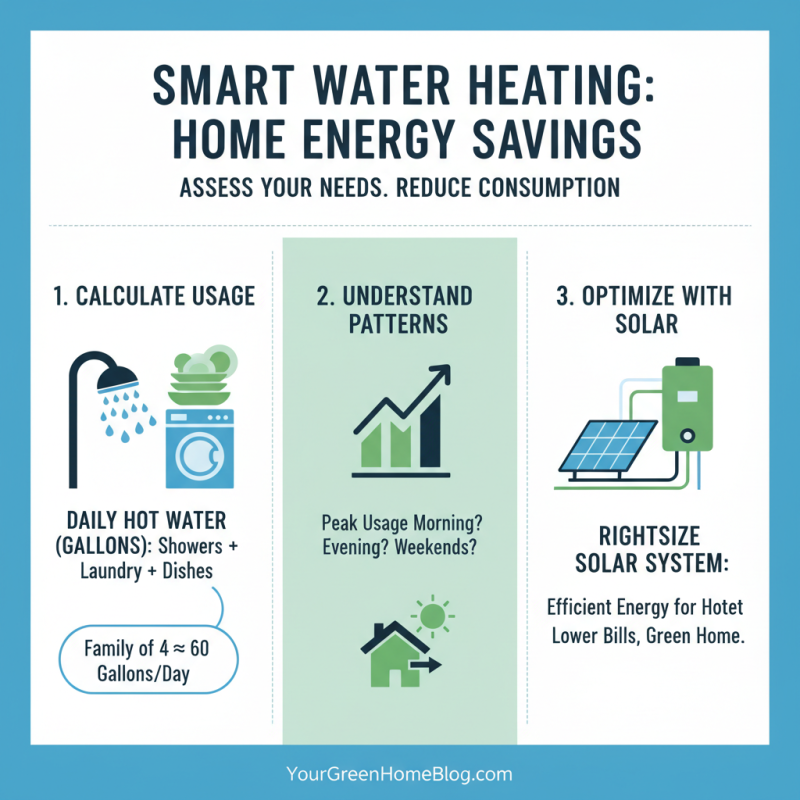
When assessing your household's water heating needs, start by calculating your daily hot water usage. This includes showers, laundry, and dishwashing. A typical family of four may require around 60 gallons per day. Understanding your patterns helps pinpoint the right solar panel system for efficient energy consumption.

Tips: Track your hot water usage over a week. This simple step can reveal hidden spikes in your consumption.

Next, consider the energy efficiency of your home. Insulation and window quality affect heat retention. Older homes might require more energy. This means the size of the solar collector matters. Assessing your roof size and available sunlight hours will also guide you to a suitable model.

Tips: Conduct a home energy audit. You can identify areas for improvement. Small changes can make a significant difference in energy savings.

While choosing the solar panel system, reflect on your long-term energy goals. A larger system may have a higher upfront cost but could save more in the long run. Weigh immediate benefits against future savings for a balanced decision.

Evaluating Different Types of Water Solar Panels in the Market

When exploring the diverse market of water solar panels, it's crucial to understand their functionality. Some panels focus on heating water, while others generate electricity for water pumps. Each type serves distinct purposes, impacting efficiency and cost. Homeowners should consider their specific needs. For instance, heating panels might be ideal for pools. Conversely, photovoltaic panels are better for powering water systems.

Evaluating performance metrics can be challenging. Not all solar panels are created equal. Some may excel in sunny conditions but struggle in overcast weather. Researching energy output ratings and warranty periods provides valuable insights. Additionally, assessing installation requirements is vital. Some systems may require professional setup, increasing overall costs.

Potential users often overlook maintenance needs. Regular cleaning and inspections can extend a panel's lifespan. Ensure you understand these aspects before making a decision. It's essential to weigh both immediate costs and long-term benefits. A well-informed choice can significantly impact energy savings.

Analyzing the Efficiency Ratings and Performance Metrics of Solar Panels

Choosing the right solar panel for water heating involves analyzing efficiency ratings and performance metrics. Key metrics include the panel's efficiency percentage, temperature coefficient, and degradation rate over time. Industry reports suggest that the average efficiency of solar panels ranges from 15% to 22%. Higher efficiency means better performance, especially in areas with limited sunlight.

Consider a panel's temperature coefficient, which indicates how performance declines as temperatures rise. A lower coefficient is preferable, ensuring better output in hotter climates. For example, panels with a -0.3%/°C rating perform better than those with -0.5%/°C, especially in warmer regions. Additionally, the degradation rate, typically around 0.5% annually, affects long-term investment and savings.

Tips: Aim for panels with at least 20% efficiency. Be mindful of local weather conditions, as they influence overall output. Regular maintenance and cleaning can also enhance performance, often overlooked but crucial tasks. Think critically about the long-term viability of your chosen technology. Some panels may initially appear appealing, but their performance may drop significantly over time.

How to Choose the Best Water Solar Panel for Your Needs?

Panel Type Efficiency (%) Power Output (W) Temperature Coefficient (%/°C) Average Lifespan (Years)
Monocrystalline 20-22 250-300 -0.34 25
Polycrystalline 15-17 230-280 -0.36 20
Thin Film 10-12 100-150 -0.20 15
Bifacial 18-21 300-350 -0.35 30
Building-Integrated 12-16 150-200 -0.40 20

Budgeting for Installation: Costs, Incentives, and Long-Term Savings

How to Choose the Best Water Solar Panel for Your Needs?

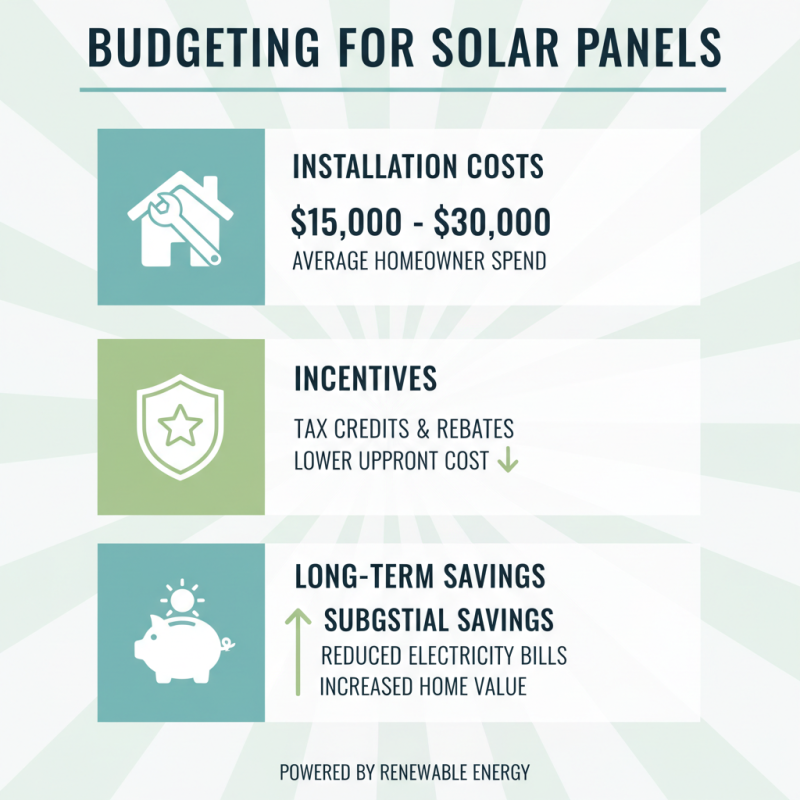
When considering water solar panels, budgeting is crucial. Installation costs can vary significantly. On average, homeowners spend around $15,000 to $30,000 for a complete system. However, this investment often leads to substantial long-term savings.

Government incentives can ease the financial burden. Many regions offer tax credits or rebates. For example, the federal solar tax credit allows a deduction of 26% of your installation costs through 2022, dropping to 22% in 2023. Location matters too; some states provide additional incentives. Reviewing local policies can lead to remarkable savings.

Tips: Research available financial incentives in your area. They can offset installation costs significantly. Also, consider energy usage patterns. A detailed analysis can help in selecting the right size for your needs. Underestimating your requirements may lead to higher costs in the future.

Solar panels typically have a lifespan of 25 years or more. This longevity can translate to consistent savings on energy bills. However, maintenance is key. Neglecting upkeep could reduce efficiency, ultimately negating some savings. Balancing installation and long-term costs requires careful planning.

Contact Details

Address:

Solar Pump Solutions,
Borrisokane, Co. Tipperary, Ireland.

Phone:

+353 86 1216312

Email:

sale@desasolar.com

Connect with us

Scroll to Top
Solar Pump Solutions
Privacy Overview

This website uses cookies so that we can provide you with the best user experience possible. Cookie information is stored in your browser and performs functions such as recognising you when you return to our website and helping our team to understand which sections of the website you find most interesting and useful.