
How to Choose the Best Solar MPPT Controller for Your System?
Choosing the right Solar MPPT controller is crucial for optimizing your solar energy system. These controllers manage the power between your solar panels and batteries. Selecting the wrong controller can lead to inefficiencies, wasted energy, and increased costs.
When you review options, consider system compatibility. Not all Solar MPPT controllers work seamlessly with every solar setup. Take into account the voltage, current, and capacity of your system. A mismatch can be detrimental. Price is another factor, but it should not be the sole criterion. High-quality options exist at various price points.
It's also important to reflect on user reviews and technical specifications. Sometimes, a popular choice may not suit your specific needs. Pay attention to features like temperature compensation and display interfaces. These may seem minor but can impact your overall experience significantly. Think critically about what you truly need in a controller. A poorly chosen Solar MPPT controller could hinder your energy goals instead of helping them.
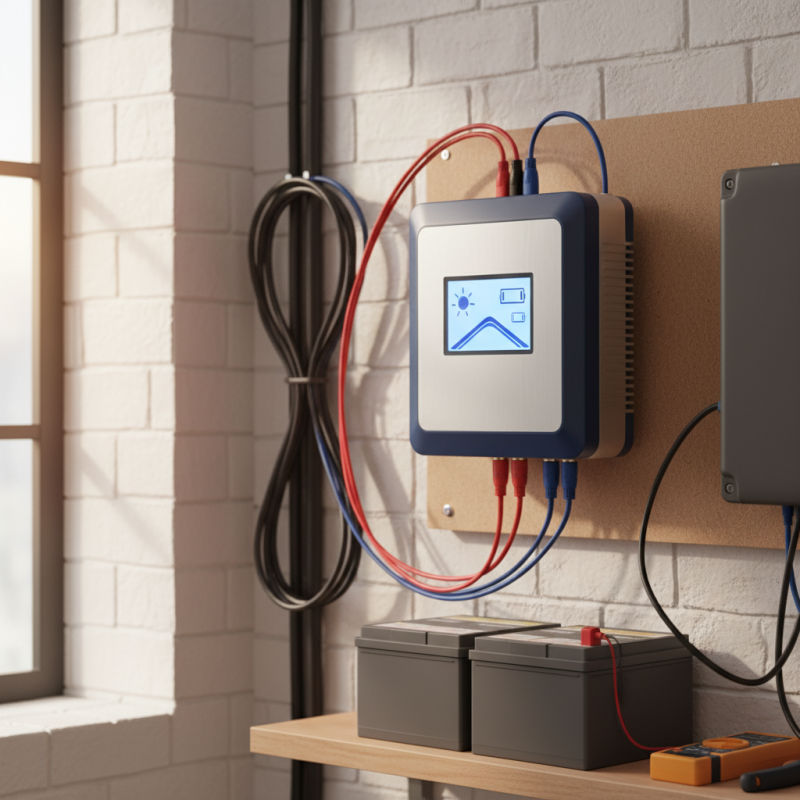
Understanding MPPT Controllers: Definition and Functionality
MPPT controllers are vital for solar energy systems. They optimize the power output from solar panels. By adjusting the voltage and current of the panels, they maximize energy harvest, even in varying conditions. This technology is essential for improving efficiency, especially in areas with unpredictable sunlight.
When selecting an MPPT controller, consider your system's voltage and current ratings. Each system is unique, so the controller must match specific requirements. Ensure it has a wide input voltage range. This flexibility is crucial for maximizing output as conditions change.
Tips: Evaluate the controller's efficiency rating. A higher rating means better performance in harnessing power. Also, look for features like temperature compensation. This can prevent overheating and improve longevity. Remember, not all controllers handle shading well. Investigate how potential shading impacts the system's overall efficiency.
Key Factors to Consider When Selecting a Solar MPPT Controller
Choosing the right solar MPPT controller is crucial for optimizing your solar energy harvest. One key factor to consider is the controller's voltage rating. Ensure it matches your solar panel's output. If the controller can't handle your system's voltage, it may lead to inefficiency.
Another important aspect is the maximum current rating. This determines how much energy your system can process. A controller with a lower rating will limit your energy collection. Assess your solar panel's specifications to avoid potential mismatches. Inspecting the controller's efficiency rating is vital too.
Efficiency affects overall performance. High-efficiency controllers minimize energy loss during conversion. Look for controllers with over 90% efficiency. Lastly, consider features like temperature compensation and monitoring capabilities. These can enhance your system's reliability. Reflect on your choices and ensure you're making informed decisions. Missteps in selection can lead to performance issues later.
Comparing Different Types of MPPT Controllers Available
When selecting a solar MPPT (Maximum Power Point Tracking) controller, it’s crucial to compare the various types available. Each type has unique features and benefits. For instance, some controllers are designed for specific applications. They may cater to small off-grid systems or larger setups. Understanding the specifications is vital.
Some MPPT controllers work well in low-light conditions. They can optimize energy capture even during cloudy days. This can be a game changer for many users. Others might prioritize efficiency under full sun, which is beneficial in sunny regions. Both types have their pros and cons. It’s essential to evaluate your energy needs.
Sometimes, users find the installation process tricky. Not every controller suits every system. Compatibility issues may arise, leading to suboptimal performance. Take time to research. User reviews often highlight real-world effectiveness. Knowledge is power in this selection process.
How to Choose the Best Solar MPPT Controller for Your System?
| Controller Type | Voltage Range | Max Input Current | Efficiency | Features | Price Range |
|---|---|---|---|---|---|
| Basic MPPT Controller | 12V - 48V | 20A | 93% | Temperature Protection, Short Circuit Protection | $100 - $150 |
| Advanced MPPT Controller | 12V - 60V | 40A | 95% | Wi-Fi Monitoring, Remote Access | $200 - $300 |
| High-end MPPT Controller | 24V - 72V | 60A | 98% | Built-in Data Logger, Multi-Channel Support | $400 - $600 |
| Smart MPPT Controller | 12V - 48V | 30A | 94% | Solar Forecasting, Remote Updates | $250 - $350 |
Evaluating Efficiency Ratings and Performance Metrics
When selecting a solar MPPT controller, evaluating efficiency ratings and performance metrics is crucial. Efficiency ratings indicate how effectively a controller can convert solar energy into usable power. A highly efficient controller can have ratings above 95%. This directly impacts your energy yield and overall system performance. According to industry reports, systems using high-efficiency MPPT controllers can yield up to 30% more energy compared to traditional regulators.
Understanding performance metrics is equally important. Factors like operating voltage range, maximum current input, and load capability must align with your system's needs. Look for controllers that perform well at various temperatures. Some models may struggle in extreme conditions, leading to reduced output. Reports show that performance can drop significantly if the ambient temperature exceeds a certain threshold.
Tips:
1. Validate efficiency ratings from multiple sources to ensure accuracy.
2. Consider controllers with built-in monitoring features for real-time performance checks.
3. Look for user reviews on thermal performance to avoid unexpected drops in output.
A well-informed decision can enhance your solar system's reliability and lifespan. But remember, even the best controller has limitations. Not all environments are ideal for every product. Make careful evaluations to find the right fit for your unique setup.
Installation and Maintenance Tips for Optimal Use
When it comes to solar MPPT controllers, installation might seem straightforward, but details matter. Ensure that all connections are secure and that the controller is properly grounded. Poor connections can lead to energy losses, which is frustrating. Regularly check the wiring for wear and tear. Corroded wires can drastically reduce efficiency.
Maintenance is equally crucial. Clean the unit periodically to prevent dust buildup. This simple task can enhance performance significantly. Keep an eye on the temperature of the controller. Overheating often indicates a problem. If the device feels unusually hot, check the ventilation. Sometimes, just adjusting its location can improve airflow.
It’s also important to monitor the performance regularly. If you notice any drops in energy production, investigate quickly. Delays can lead to bigger issues down the line. Many users overlook these signs. Routine checks create a proactive approach to maintaining efficiency. Remember, a little attention now can save headaches later.
Solar MPPT Controller Efficiency Comparison
Article Source:
Contact Details
Address:
Solar Pump Solutions,
Borrisokane, Co. Tipperary, Ireland.
