How to Choose a Solar Irrigation System in 2026?

Choosing a Solar Irrigation system in 2026 starts with the water, not the solar panels. Estimate how much water your crops need on the hottest, driest days, then check the well or source’s flow rate and the height the pump must lift water. A pump that looks powerful on a product page may perform poorly against your actual pumping depth and pipe losses. Ask for its performance curve and compare it with your site measurements. Small details matter.

A reliable design also accounts for sunlight, storage, and irrigation timing. A farm using drip lines may need different pressure and filtration from one using sprinklers. Direct solar pumping can reduce battery costs, while batteries may help when watering must continue after clouds arrive. Neither option suits every site. Water storage can provide another buffer, but tanks need enough capacity and a suitable location. That matters.

Before choosing equipment, compare expected daily output across seasons, warranty coverage, spare-parts access, and the installer’s experience with similar wells and crops. Request a clear estimate of total system costs, including mounting, wiring, controls, filters, and maintenance. Check that proposed components work together and are rated for outdoor conditions. Do not rely on a single sunny-day demonstration. Real weather is less cooperative.

There is no universal winner. I would revisit the water-demand estimate before approving a quote, because that number is easy to underestimate. A modest system can still disappoint if it cannot meet peak demand. The right Solar Irrigation setup should fit your water source, crops, climate, and daily routine—not just the advertised panel capacity.
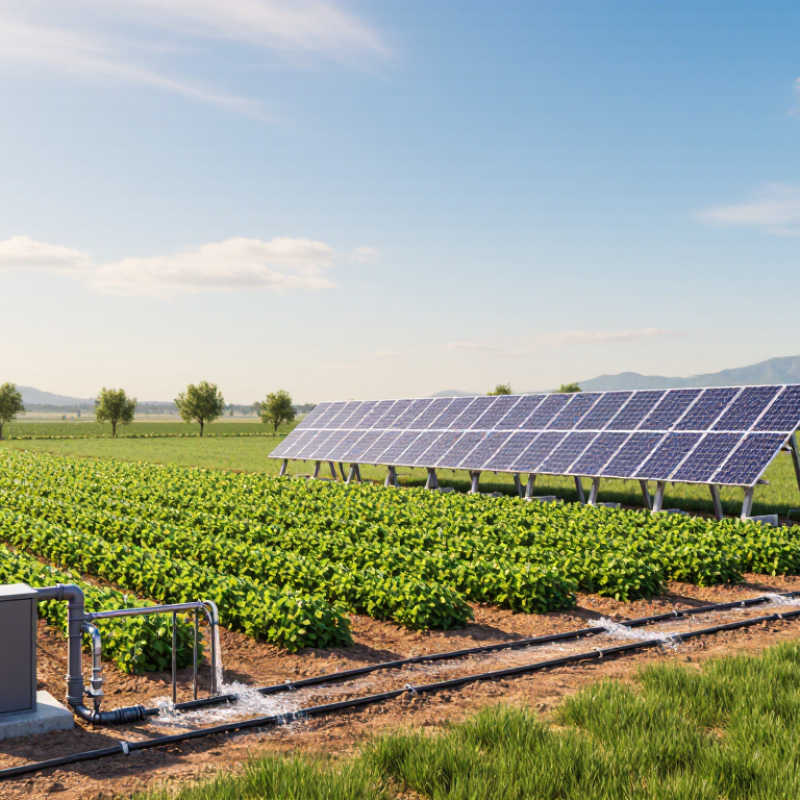
How to Choose a Solar Irrigation System in 2026?

Assess Your Crops’ Water Needs and Irrigation Schedule

Before choosing a solar irrigation system, estimate how much water each crop needs at its current growth stage. Newly planted vegetables have shallow roots; fruiting plants may need more frequent watering. Check local rainfall and recent temperatures, too. A hot, windy week can dry beds faster than a mild one. Soil matters: sandy ground drains quickly, while clay holds water longer. Feel the soil several inches below the surface, or use a moisture meter. Roots tell you.

Set a schedule around when crops use water, not just when sunlight is strongest. Morning watering often limits evaporation and gives leaves time to dry. Compare the system’s expected daily output with your peak watering demand, especially during flowering or fruit development. If sunshine varies, a storage tank can help maintain a steadier schedule, but size it for actual use. Your first estimate will probably be wrong. Keep notes on watering time, rainfall, and soil moisture, then adjust the schedule when plants wilt or the ground stays soggy. A small test plot can reveal problems before you expand the system.

Evaluate the Water Source, Pumping Head, and Site Conditions

Before choosing a solar irrigation system, confirm that the water source can supply the required volume through the dry season. A well’s water level can drop as pumping continues, so measure both its resting level and its level during a test run. For a pond or creek, check seasonal changes, access, and whether the intake can stay clear of sediment. Water quality matters. Sand and debris can wear pump parts or clog filters. Estimate daily water demand from the crop, irrigated area, and watering schedule, then compare it with the source’s reliable yield. A quick guess here can lead to an undersized system.

Next, calculate the total pumping head, not just the vertical lift. Include the change in water level while pumping, pipe friction, and the pressure needed at the emitters or sprinklers. A pump’s flow often falls as head rises. Match its performance data to your actual operating conditions. Small details matter. Walk the site and note pipe distances, slopes, shade, and where panels can face the sun without obstruction. Dust, seasonal shadows, or a long cable run may reduce output. Consider a storage tank if irrigation must continue after sunlight fades. Field estimates are imperfect; measure distances and water levels where possible, then leave a practical margin rather than sizing the system around an ideal day.

How to Choose a Solar Irrigation System in 2026? — Evaluate the Water Source, Pumping Head, and Site Conditions

Water Source Typical Site Conditions Indicative Total Dynamic Head (TDH) Pump Configuration to Consider Key Checks Before Selection Common Irrigation Use
Shallow well Water level is relatively close to the ground surface; water level may fall during pumping. About 5–20 m, depending on drawdown, elevation, and pipe losses. Surface pump if the suction lift is within the pump’s rated limit; otherwise, consider a submersible pump. Measure the lowest seasonal water level, well yield, and drawdown while pumping. Protect the intake from sand and debris. Small farms, gardens, and drip systems where the well can sustain the required flow.
Deep borehole Water is below the practical suction range of a surface pump; borehole depth alone does not determine pumping head. About 20–80 m or more; calculate from the pumping water level, outlet elevation, pressure requirement, and friction losses. Submersible borehole pump matched to the bore diameter, required flow, and operating head. Obtain a borehole yield test and pumping water level. Check bore diameter, water quality, cable length, and dry-run protection needs. Fields, orchards, and other applications requiring water to be lifted from a deep source.
Pond, canal, or river Open water is accessible, but its level may vary seasonally; sediment, weeds, or floating debris may be present. About 2–15 m for a nearby source; longer delivery lines or elevated fields can increase TDH considerably. Surface pump for a short, accessible lift; a screened intake and suitable priming arrangement may be required. Check seasonal minimum water level, intake submergence, sediment load, flood risk, and the route and diameter of the delivery pipe. Surface irrigation, storage-tank filling, and drip or sprinkler systems supplied from an open source.
Rainwater storage tank or cistern Stored water is available near the field; the usable volume depends on tank capacity and rainfall collection. About 5–30 m, depending on tank position, field elevation, pipe length, and required irrigation pressure. Surface or inline pump selected for the required flow and pressure; a screen or filter helps protect emitters. Estimate usable stored volume and daily irrigation demand. Check tank outlet size, minimum water level, filtration, and pressure requirements. Drip irrigation, nursery watering, and supplemental irrigation during dry periods.
Existing elevated tank Water is already stored above the irrigation area; gravity may provide some pressure. May require no solar pump for low-pressure delivery; additional pumping head is needed if the available gravity pressure is insufficient. Use gravity where pressure and flow are adequate; otherwise, select a booster pump for the measured shortfall. Measure the height difference between the water surface and emitters. Verify pressure at the farthest irrigation point and account for pipe losses. Low-pressure drip lines and small plots where tank elevation provides a reliable supply.
Brackish or mineral-rich groundwater Water may contain elevated dissolved salts, iron, or other minerals that affect crops and equipment. Determine from the measured pumping water level and irrigation pressure; water chemistry does not determine TDH. Choose materials compatible with the tested water quality and a pump rated for the required duty point. Test electrical conductivity, pH, and relevant minerals. Check crop salt tolerance, corrosion risk, and emitter-clogging potential. Use only after checking suitability for the crop, soil, and irrigation method.

Planning note: TDH is the vertical lift from the pumping water level to the delivery point, plus required operating pressure and friction losses in pipes and fittings. The ranges above are indicative, not equipment specifications. Confirm seasonal water levels, source yield, required daily water volume, and the pump’s flow-versus-head curve before sizing the pump and solar array.

Calculate Solar Array Size and Decide Whether to Add Batteries

Size the solar array around daily water demand, not just the pump’s nameplate rating. Check the pump’s operating power, required flow, lift height, and daily run time. For example, a 750-watt pump running five hours uses about 3.75 kilowatt-hours. If your site receives four peak-sun hours daily, divide that energy by four, then allow for wiring, heat, dust, and conversion losses. A rough 25 percent allowance suggests an array near 1.25 kilowatts. Treat this as a starting estimate, not a guarantee. Pump startup needs and cloudy-season sunlight can change the result. Check the pump curve and measure the actual water output.

Batteries make sense when irrigation must continue after sunset or through short cloudy periods. They add cost and require careful sizing. To store one day of the example pump’s energy, usable battery capacity must exceed 3.75 kilowatt-hours; the rated capacity may need to be larger because not all stored energy is usable. If crops can be watered during sunny hours, a tank may provide cheaper, simpler storage: pump water when the sun is strong, then irrigate later by gravity. Practical details matter. A shaded panel at noon, a long cable, or a dry well can upset neat calculations. I would leave room for adjustment, even if the first estimate looks precise.

Compare Pump Types, Controllers, Costs, and Maintenance Needs

Pump choice starts with the water source and the distance it must travel. A submersible pump suits a deep well, while a surface pump is easier to inspect beside a tank or shallow source. Check required flow and total lift, including pipe friction. A pump that looks powerful on paper may deliver too little water at the field. Keep it simple. For daytime watering, direct solar pumping can avoid battery costs. Storage batteries help when irrigation must run after sunset, but they add expense and eventual replacement needs.

Controllers affect both reliability and water use. A variable-speed controller can adjust pump output as sunlight changes, while dry-run protection helps prevent damage when a well level drops. Float switches can stop a tank from overflowing. Timers are useful, but fixed schedules may waste water when weather or crop demand changes. Compare the full installed cost, not just the pump: panels, mounting, wiring, controls, filters, and storage all matter. Prices vary with site conditions, so a local water and electrical assessment is more dependable than a generic estimate.

Maintenance is modest, not absent. Clear dust from panels, inspect cables and connections, and clean intake screens before flow noticeably declines. Check for leaks and unusual pump noise. Keep spare filters accessible. I would not assume the cheapest controller is a bargain; its protections and serviceability matter. Still, even careful planning can miss seasonal changes in well output. Record flow and runtime during dry months, then adjust the system before crops show stress.

Select a System That Meets Your Capacity and Expansion Requirements

A solar irrigation system should match your daily water demand, not just a pump’s advertised flow rate. Estimate how many litres your crops need during the hottest, driest weeks. Then measure the lift from the water source and the pipe distance to the fields. These details affect the pump’s real output. Measure before buying.

Compare expected daily water production with demand under your site’s typical sunlight conditions. Ask for performance figures at your required pumping height, not only at a low test height. Include losses from long pipes, bends, filters, and elevation changes. A small storage tank can help bridge cloudy periods, but it cannot make an undersized pump adequate.

Plan for growth, too. If you may add acreage or another irrigation zone, check whether the controller, wiring, pump, and solar array can support a higher load. Some parts are easier to expand than others. Leave room for extra panels and confirm that future components will be electrically compatible. Keep a little capacity in reserve, while avoiding a system so large that its cost is hard to justify. Field estimates are imperfect; check them against a week of actual water use before finalizing the design.

Contact Details

Address:

Solar Pump Solutions,
Borrisokane, Co. Tipperary, Ireland.

Phone:

+353 86 1216312

Email:

sale@desasolar.com

Connect with us

Scroll to Top
Solar Pump Solutions
Privacy Overview

This website uses cookies so that we can provide you with the best user experience possible. Cookie information is stored in your browser and performs functions such as recognising you when you return to our website and helping our team to understand which sections of the website you find most interesting and useful.