10 Best Solar Water Pump Systems for Global Buyers

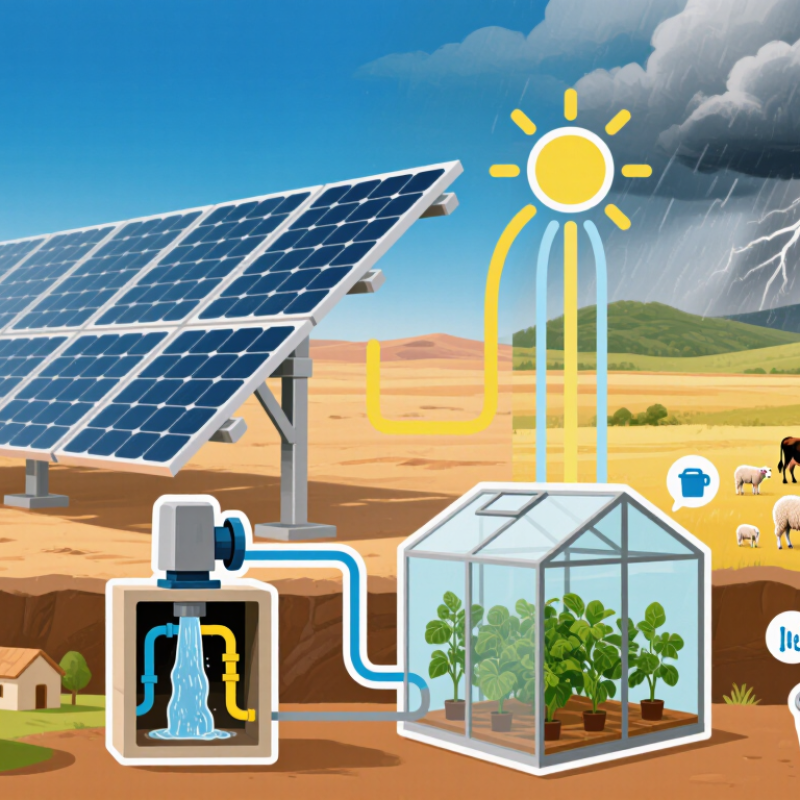
Choosing a Solar Water Pump System is not simply a matter of comparing motor power or panel size. A village well, a greenhouse tank, and a livestock trough all require different designs. Water depth, daily demand, pipe length, storage capacity, and seasonal sunlight can change the right choice completely. A pump that performs well in bright desert conditions may struggle during cloudy monsoon weeks.

Dr. Soteris A. Kalogirou, a respected solar energy systems researcher, describes solar power as “a clean, inexhaustible, and widely available source of energy.” That promise is important, but it is not the whole story. Practical performance depends on careful sizing, durable components, and realistic site measurements. Field installers often check the borehole, measure the static water level, inspect cable quality, and confirm whether replacement parts are locally available. Small details matter.

This guide reviews 10 Best Solar Water Pump Systems for Global Buyers, with attention to efficiency, reliability, installation demands, and long-term maintenance. Some systems offer strong value for shallow wells. Others suit deeper irrigation projects or remote water access. No single model fits every region. That is the uncomfortable truth. Product specifications can also look better than real-world results when testing conditions are unclear. Buyers should question unusually high flow claims, weak warranties, and vague controller information. The best decision is rarely the cheapest one. It is the system that keeps delivering usable water when conditions become difficult.
10 Best Solar Water Pump Systems for Global Buyers

Solar Water Pump Systems: Definition, Main Types, and Core Components

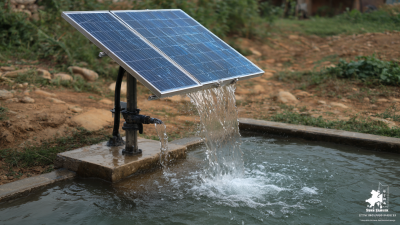
Solar water pump systems use sunlight to move water without continuous grid power. A photovoltaic array converts sunlight into electricity for the pump. A controller regulates voltage, protects the motor, and may track available solar energy. These systems serve farms, livestock areas, gardens, and remote communities. Their performance changes with cloud cover, water depth, and seasonal sunlight.

The main types are submersible, surface, and floating pumps. Submersible models lift water from wells, while surface pumps draw from tanks, ponds, or shallow sources. Floating systems reduce intake problems in some reservoirs.

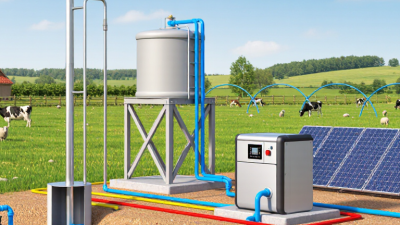
Core components include solar panels, a pump, controller, cables, pipes, filters, valves, and a storage tank. Sensors can stop dry running or prevent overflow.

In practice, a calculated design may still underperform when pipes are too narrow or the well recovers slowly. That weakness deserves attention.

Tips: Measure daily water demand before selecting equipment. Check total head, pipe distance, and dry-season sunlight. Keep panels clear of dust and shade. Install electrical protection and proper grounding. A storage tank often improves reliability, but it also adds cost and maintenance. Do not judge a system by panel size alone. Pump efficiency, water source conditions, and controller quality matter equally.

How to Evaluate Solar Pump Performance for Different Water Needs

Evaluating a solar water pump begins with the water task, not the panel size. Measure daily demand, well depth, storage height, pipe length, and peak flow. Total dynamic head combines lifting height, friction, and pressure requirements. A pump delivering 10 cubic metres daily at 30 metres head may suit irrigation, but not a household system with long pipes and morning demand.

Use field performance, not only rated watts. The useful indicator is litres per day at a stated head, sunlight level, and storage condition. IEC 62253 provides testing guidance for photovoltaic pumping systems, including hydraulic output and operating conditions. The World Bank’s ESMAP reports that solar pumping can lower operating costs, but uncontrolled pumping may increase groundwater stress. This matters where agriculture already represents about 70% of global freshwater withdrawals, according to FAO AQUASTAT.

Look for a performance curve showing flow against total head. Check the controller’s low-light behaviour, dry-run protection, cable losses, and battery requirements. IRENA reported a global weighted average utility-scale solar PV cost of USD 0.044 per kilowatt-hour in 2023, yet pump economics still depend heavily on installation and maintenance. A cheap system can perform poorly with cloudy weather or undersized pipes. Test it on site. Datasheets can mislead. One practical weakness remains: many comparisons use laboratory sunlight, while real wells face dust, heat, voltage variation, and seasonal water levels.

10 Best Solar Water Pump Systems for Global Buyers

How to Evaluate Solar Pump Performance for Different Water Needs

The chart compares representative planning requirements for common solar water-pumping applications. Flow rate indicates the water delivery capacity needed, while total dynamic head combines vertical lift, pipe friction, and outlet pressure. Actual performance depends on solar irradiance, pump efficiency, pipe diameter, storage capacity, and seasonal water demand.

Top 10 Solar Water Pump Systems for Global Buyers

The Top 10 Solar Water Pump Systems for Global Buyers should be judged by use case, not panel size alone. A shallow-well kit suits household gardens, while a submersible system serves deeper boreholes. Surface pumps work well beside open canals. Hybrid units add battery or grid support during cloudy periods. Small pumps matter.

FAO reports that agriculture accounts for about 70% of global freshwater withdrawals. Efficient pumping therefore affects both farm costs and water security. The World Bank’s ESMAP research highlights solar pumping as a practical alternative to diesel in suitable locations. It also warns that poor sizing can create financial and maintenance problems. I would not treat any ranking as permanent. Local sunlight, well depth, pipe length, seasonal demand, and technician access can change the best choice.

For global buyers, compare daily water output rather than advertised peak power. Check the pump curve, controller protection, dry-run shutoff, and replacement-part availability. A 1,000-watt array may perform differently across a windy coast and a dusty inland farm. The IEA Renewables 2024 report confirms solar remains the fastest-growing renewable power source, but water systems still need careful site engineering. Ask for measured flow at the required head. Then test performance during weak sunlight. That step is often skipped.

10 Best Solar Water Pump Systems for Global Buyers - Top 10 Solar Water Pump Systems for Global Buyers
Rank Generic System Configuration Pump Type Typical Flow Rate Recommended Total Head Motor Rating Suggested PV Array Energy Storage Suitable Applications Main Advantages
1 Compact Solar Well Pump System Brushless DC submersible pump 1.0–2.0 m³/h 15–30 m 0.55–0.75 kW 0.8–1.1 kWp Water tank recommended; batteries optional Domestic wells, small farms, remote homes Low operating cost, simple installation, and good suitability for small water demand
2 Medium-Depth Borehole Pump System Brushless DC centrifugal submersible pump 2.0–3.5 m³/h 25–45 m 1.1–1.5 kW 1.6–2.2 kWp Water tank recommended Rural water supply, livestock watering, and household use Balanced performance for medium-depth wells and variable solar conditions
3 High-Head Solar Borehole System Multistage DC submersible pump 2.5–4.5 m³/h 40–65 m 2.2–3.0 kW 3.0–4.0 kWp Water tank recommended; battery backup optional Deep wells, elevated storage tanks, and small irrigation networks Designed for higher lifting distances with efficient multistage hydraulics
4 Solar Surface Irrigation System Surface centrifugal pump with solar inverter 5–9 m³/h 15–35 m 2.2–3.7 kW 3.0–4.8 kWp Normally tank-based; batteries not required Canals, reservoirs, ponds, and open water sources Easy access for maintenance and suitable for seasonal agricultural pumping
5 Large-Flow Solar Irrigation System Three-phase AC centrifugal pump with variable-frequency drive 8–15 m³/h 25–50 m 5.5–7.5 kW 7.0–10.0 kWp Water storage preferred; batteries generally unnecessary Drip irrigation, sprinkler irrigation, and medium-sized farms High daily water output and adjustable flow for different irrigation zones
6 Ultra-High-Head Helical Rotor System Positive-displacement helical rotor submersible pump 0.6–1.5 m³/h 50–100 m 0.75–1.5 kW 1.2–2.2 kWp Water tank recommended Deep boreholes, remote clinics, and isolated settlements Good pressure capability and efficient operation at relatively low flow rates
7 Solar Livestock Watering System DC submersible or surface pump with float control 1.5–4.0 m³/h 10–35 m 0.75–1.5 kW 1.1–2.2 kWp Storage tank with float valve Cattle ranches, poultry farms, sheep farms, and remote watering points Reliable daytime pumping and automatic tank filling with minimal supervision
8 Hybrid Solar and Grid Pump System AC pump with solar inverter and grid-changeover function 5–12 m³/h 25–55 m 4.0–7.5 kW 5.0–9.5 kWp Grid backup; batteries optional Commercial farms, municipal water transfer, and industrial sites Continued operation during low-sun periods and flexible power-source management
9 Solar Pressure-Boosting System Surface multistage pump with pressure controller 2.0–6.0 m³/h 30–60 m 1.5–3.0 kW 2.2–4.0 kWp Pressure tank; battery backup optional Household water pressure, small hotels, and elevated buildings Stable outlet pressure and suitability for clean-water distribution systems
10 Containerized Solar Water Pump Station Modular AC or DC pump package with control cabinet 10–25 m³/h 20–45 m 7.5–15 kW 10–20 kWp Large water tank; grid or generator backup optional Community water supply, large farms, and emergency water projects Scalable design, centralized protection, and simplified transport to remote locations
Technical figures are typical design ranges for generic solar pumping configurations. Actual output depends on solar irradiation, pump efficiency, water level, pipe diameter, friction losses, operating schedule, and local site conditions. Total head includes the vertical lift plus estimated pipeline losses.

Installation, Operation, and Maintenance Requirements

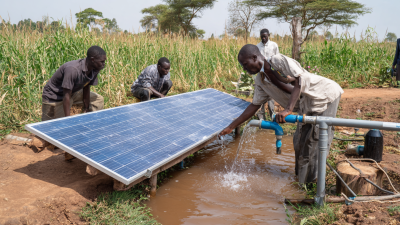
Solar water pump systems require careful site assessment before installation. Measure the well depth, daily water demand, sunlight hours, and pipe distance. These figures determine the pump size and solar array capacity. Install panels in an unshaded area, facing the strongest local sunlight. Secure the mounting structure against wind and seasonal weather. Keep wiring elevated, protected, and properly grounded. Place the controller in a dry, ventilated enclosure. A storage tank can maintain supply during cloudy periods. Check local electrical and water regulations before commissioning.

Operation should begin with a controlled flow test. Confirm the pump starts smoothly and reaches the expected pressure. Watch for cloudy-day performance, air leaks, unusual noise, and overheating. A dry-run sensor helps protect the pump when the water source falls. Do not assume maximum sunlight means maximum water output. Pipe friction, dust, and rising water levels can reduce performance. Keep a simple daily record of running hours, flow, and tank levels. This record often reveals problems earlier than alarms.

Maintenance needs routine attention. Clean panel surfaces when dust visibly reduces light. Inspect filters, pipe joints, cable insulation, and mounting bolts every month. Remove sediment from tanks and check non-return valves for leakage. Listen for changes in vibration. Small faults become expensive when ignored. In my experience, installers sometimes underestimate pipe support and drainage. That mistake can cause repeated joint failures. Replace worn seals with compatible parts, and isolate electrical power before servicing. Maintenance intervals may need adjustment after the first season. Wetter, dustier sites usually demand more frequent inspections.

Costs, Safety Standards, and Global Purchasing Considerations

Solar water pump costs extend beyond the listed equipment price. A complete budget should include panels, mounting frames, controllers, pipes, storage tanks, transport, duties, and installation. A pump rated at 1,000 watts may need additional protection in dusty or remote sites. Ask for a clear bill of materials.

Safety requirements vary by destination. Check electrical ratings, insulation quality, grounding instructions, and enclosure protection before ordering. An IP65 enclosure can resist dust and water jets, but it does not make poor wiring safe. Use residual-current protection where local rules require it. For drinking-water systems, confirm that wetted materials are approved for potable use.

The paperwork matters. Request test reports, operating manuals, wiring diagrams, warranty terms, and spare-parts availability. Relevant requirements may include IEC electrical standards, local grid rules, and national conformity procedures. A CE mark alone may not satisfy every importing country. Confirm whether the system is designed for direct solar operation, battery storage, or both.

Global buyers should compare delivered cost, not factory price. Freight delays, replacement controllers, and difficult customs clearance can change the calculation quickly. A local technician may also need training. In practice, a cheaper pump can become expensive after one failed sensor. I would verify the dry-run protection and maximum lift using site measurements, not sales estimates. Some specifications remain optimistic, especially under weak sunlight. That deserves a second review.

Contact Details

Address:

Solar Pump Solutions,
Borrisokane, Co. Tipperary, Ireland.

Phone:

+353 86 1216312

Email:

sale@desasolar.com

Connect with us

Scroll to Top
Solar Pump Solutions
Privacy Overview

This website uses cookies so that we can provide you with the best user experience possible. Cookie information is stored in your browser and performs functions such as recognising you when you return to our website and helping our team to understand which sections of the website you find most interesting and useful.