
Best Practices for Sourcing Extrusion Aluminum Profiles?

In the world of manufacturing, sourcing Extrusion Aluminum Profiles is a crucial task. These profiles are widely used in construction, automotive, and aerospace industries. Understanding the best practices for sourcing these materials can significantly impact product quality and cost-effectiveness.

Choosing the right suppliers is paramount. Quality must not be compromised for lower prices. While many companies rush to cut costs, this often leads to substandard materials. Ensuring suppliers have a solid reputation and relevant experience is vital.

Another critical factor is communication. Clear specifications will lead to better outcomes. Engaging in discussions about material requirements, applications, and production challenges can enhance the sourcing process. Recognizing potential pitfalls early on can save time and resources. Ultimately, mastering these practices will result in more successful projects and satisfied customers.
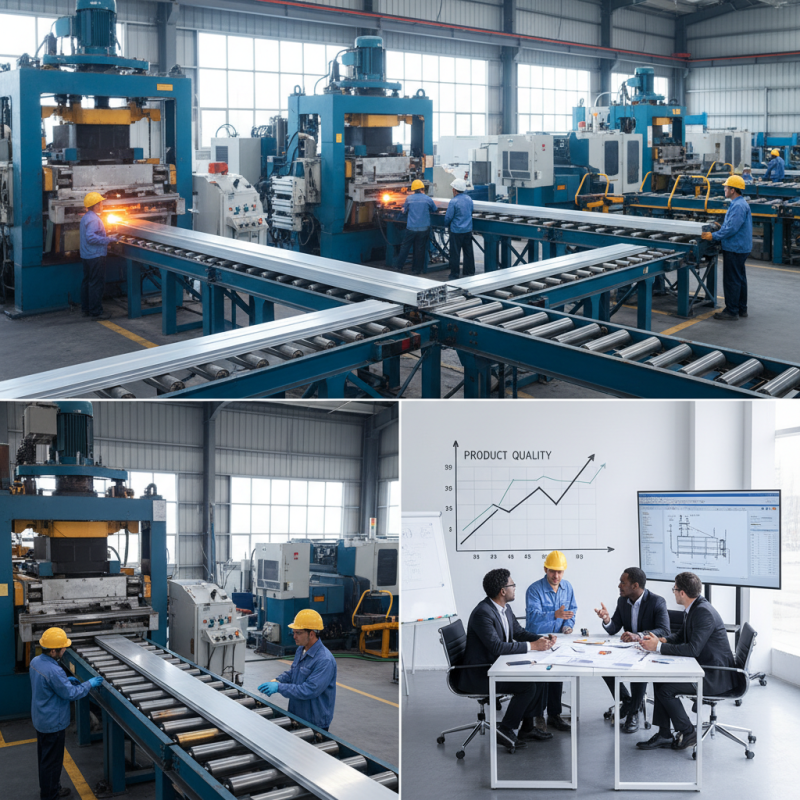
Best Practices for Sourcing Extrusion Aluminum Profiles?

Understanding the Basics of Extrusion Aluminum Profiles

Understanding extrusion aluminum profiles is essential for various industries. These profiles are created by forcing aluminum through a shaped die. This process yields lightweight and durable materials. They can be customized in numerous shapes, serving diverse applications. For engineers and designers, understanding the properties of these profiles is crucial for optimal performance.

Not all aluminum alloys are suitable for every application. Some have better strength characteristics, while others enhance conductivity. It’s important to choose the right material. The finish of aluminum profiles also matters. Anodizing can improve corrosion resistance, but it may not always be the best choice for aesthetics. Think about the final use and appearance.

Sourcing these materials requires careful consideration. Quality control is vital; not all suppliers maintain high standards. Testing for material properties can be lengthy but is worth the effort. Establishing long-term relationships with reliable suppliers can ensure consistent quality. Keep in mind that price shouldn't be the only factor. Trust and expertise often lead to the best outcomes in sourcing.

Identifying Reliable Suppliers for Aluminum Profiles

When sourcing extrusion aluminum profiles, identifying reliable suppliers is crucial. Start by researching potential suppliers. Look for companies with a solid track record. Check their production capabilities and customer reviews. This information provides insights into their reliability.

Reach out to suppliers directly. Ask about their quality control processes. A reputable supplier should have certifications that demonstrate compliance with industry standards. Also, request samples to assess the material quality firsthand. Don’t hesitate to ask about their sourcing of raw materials. Transparency in this area indicates a dependable supplier.

Trust your instincts. If a supplier seems unresponsive or vague, it might signal trouble. Building long-term relationships is vital. Find suppliers who understand your requirements and can adapt as your needs change. Investing time in finding the right supplier will pay off in the long run. A reliable partner enhances your project’s success and helps avoid costly mistakes.

Evaluating Quality Standards in Aluminum Extrusions

When sourcing extrusion aluminum profiles, evaluating quality standards is crucial. Aluminum quality can vary significantly between suppliers. According to recent industry data, about 25% of poorly sourced aluminum leads to failures in structural integrity. This highlights the need for stringent quality assessments.

One key metric is the tensile strength of aluminum alloys. For example, a well-manufactured 6061 T6 aluminum profile typically boasts a minimum tensile strength of 290 MPa. Compliance with ASTM standards is a reliable way to ensure quality. However, not all suppliers adhere to these standards. Regular audits can reveal inconsistencies in production processes.

Surface finish and dimensional accuracy are also critical quality indicators. Rough surfaces can lead to poor adhesion in assembly processes. Research shows that profiles exceeding a tolerance of ±0.2mm in dimension are prone to misalignment. A deep dive into supplier certifications can expose potential red flags. It's important to remember that the lowest cost may not always equate to the best quality.

Best Practices for Sourcing Extrusion Aluminum Profiles

Best Practices for Negotiating Pricing and Terms

When negotiating pricing and terms for extrusion aluminum profiles, a few best practices can lead to success. Start by understanding the market landscape. Research current prices and available suppliers. Compare their offerings critically. This insight helps you to define a realistic budget. Be prepared to share your requirements clearly. Specifications like dimensions, alloy types, and production volumes matter.

Also, don’t underestimate the power of building relationships. Engaging suppliers in dialogue creates a more favorable negotiation atmosphere. Trust can lead to better terms and potential discounts. Remember, it’s not just about getting the lowest price; it's about value. You may need to compromise on delivery times or payment terms to secure a better overall deal.

Reflect on your past negotiations, too. Remember what worked and what didn’t. Sometimes, the best offer may not meet all your needs. A good deal shouldn’t sacrifice quality. Stay flexible and open to alternatives. Each negotiation is unique and can have its challenges. Maintaining a balanced perspective can help you navigate those situations effectively.

Best Practices for Sourcing Extrusion Aluminum Profiles - Best Practices for Negotiating Pricing and Terms

Dimension Standard Tolerance Material Grade Typical Applications Pricing Factors
Length: 2000 mm ±1 mm 6063 Architectural components Volume, complexity
Width: 100 mm ±0.5 mm 6061 Industrial applications Surface treatment, size
Height: 50 mm ±0.5 mm 6082 Structural components Order quantity, lead time
Custom size Varies A3003 Electrical enclosures Customization, tooling

Exploring Sustainable Sourcing Options for Aluminum Profiles

Sustainable sourcing of aluminum profiles is becoming crucial in today's manufacturing landscape. According to the Aluminum Association, the global aluminum recycling rate is around 75%. This highlights the potential for sustainability through recycled materials. By using recycled aluminum, manufacturers can significantly reduce their carbon footprint. The extraction of primary aluminum is energy-intensive, requiring approximately 14,000 kWh per ton. In contrast, recycling consumes only about 5% of this energy.

Investing in sustainable practices is not just an environmental choice; it's an economic one. The International Aluminum Institute estimates that recycled aluminum can reduce production costs by 30% and decrease greenhouse gas emissions by up to 80%. Companies must explore partnerships with suppliers who prioritize sustainable practices. This involves auditing supply chains and verifying the source of materials.

However, challenges remain. Many producers still rely heavily on primary aluminum. Transitioning to recycled sources requires a mindset shift and investment in new technologies. The fluctuating availability of quality scrap aluminum can complicate this process. Striking a balance between cost-efficiency and sustainability is an ongoing debate in the industry. Ultimately, companies must consider the long-term benefits of sustainable sourcing for their bottom line and the planet.

Contact Details

Address:

Solar Pump Solutions,
Borrisokane, Co. Tipperary, Ireland.

Phone:

+353 86 1216312

Email:

sale@desasolar.com

Connect with us

Scroll to Top
Solar Pump Solutions
Privacy Overview

This website uses cookies so that we can provide you with the best user experience possible. Cookie information is stored in your browser and performs functions such as recognising you when you return to our website and helping our team to understand which sections of the website you find most interesting and useful.