Top Benefits of Using Solar Water Pumps for Irrigation in Sustainable Farming
The integration of "Solar Water Pump For Irrigation" systems in sustainable farming practices has gained significant momentum in recent years, underscoring the increasing demand for efficient water management solutions. According to a report by the International Renewable Energy Agency (IRENA), the global solar pumping market is expected to reach a value of USD 1.3 billion by 2024, driven by the necessity for sustainable agricultural practices and rising energy costs. This innovative technology harnesses solar energy to provide a reliable and cost-effective means of irrigation, promoting water conservation and reducing dependency on fossil fuels.
Moreover, a study conducted by ResearchGate highlights that solar water pumps can decrease operational costs by up to 80% compared to conventional diesel pumps, providing substantial savings for farmers while minimizing environmental impacts. This shift not only enhances the resilience of agricultural systems in the face of climate change but also contributes to the broader objectives of achieving sustainable development goals. By adopting solar water pumping solutions, farmers can ensure consistent water supply for their crops, facilitating improved yields and ultimately contributing to food security in a more environmentally friendly manner. These advantages make the solar water pump an indispensable tool for modern, sustainable agricultural practices.
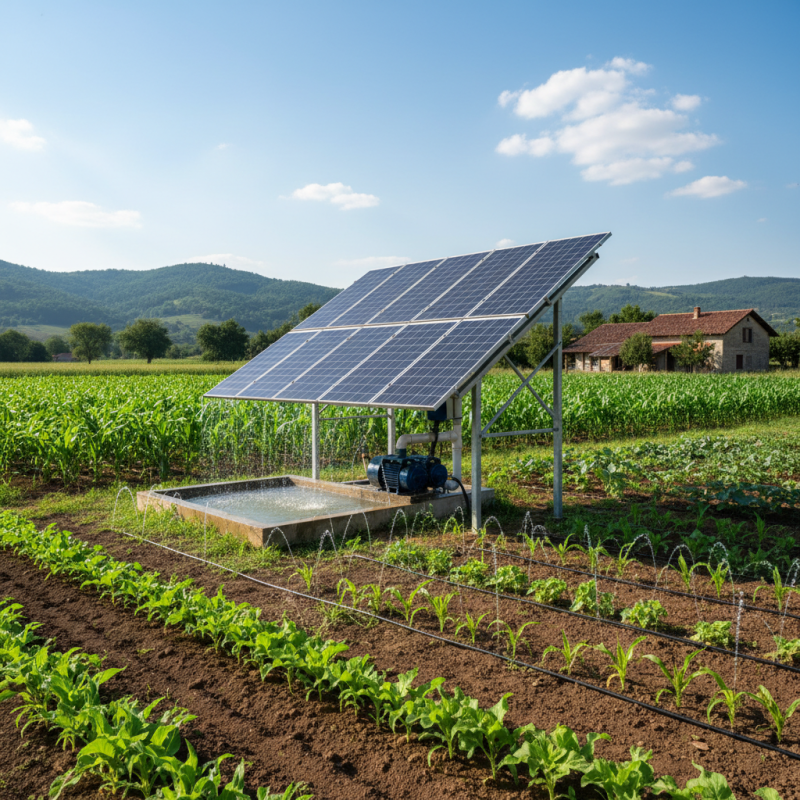
Advantages of Solar Water Pumps in Sustainable Farming Practices
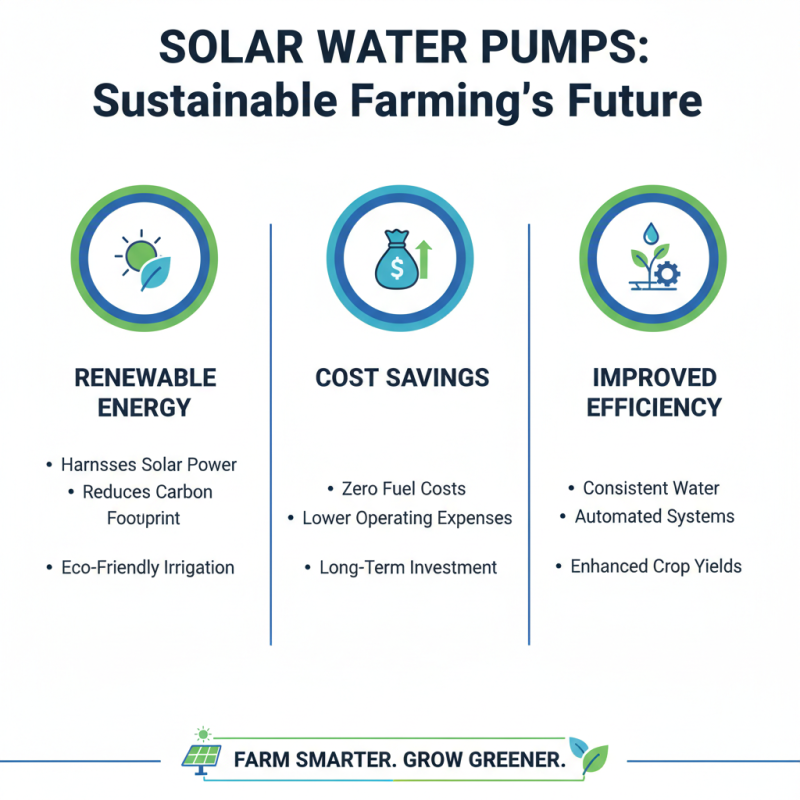
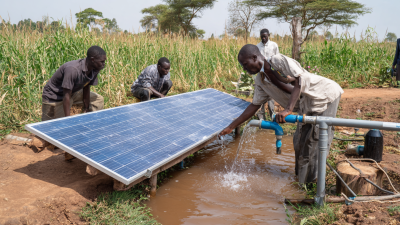
Solar water pumps are becoming increasingly vital in sustainable farming practices, offering numerous benefits that enhance agricultural efficiency and environmental health. One of the primary advantages of these pumps is their ability to harness renewable energy, significantly reducing the carbon footprint associated with traditional fuel-powered irrigation systems. By utilizing solar energy, farmers can operate their irrigation systems without relying on fossil fuels, contributing to a reduction in greenhouse gas emissions and promoting a cleaner environment.
Furthermore, solar water pumps provide a reliable and cost-effective solution for water management in agriculture. They can be installed in remote areas where electricity infrastructure is lacking, ensuring that even the most isolated farms have access to necessary water resources. This enhances water availability for crops, particularly in regions prone to droughts or inconsistent rainfall. Additionally, the low operational and maintenance costs associated with solar pumps make them an economically viable option for farmers, allowing them to allocate resources more effectively and invest in other sustainable practices.
The integration of solar water pumping systems also supports biodiversity and soil health. By maintaining consistent irrigation practices tailored to the needs of specific crops, farmers can avoid overwatering, which can lead to soil erosion and nutrient depletion. Thus, solar water pumps not only promote sustainable agricultural practices but also contribute to the overall health of the ecosystem, making them a valuable asset in modern farming methodologies.
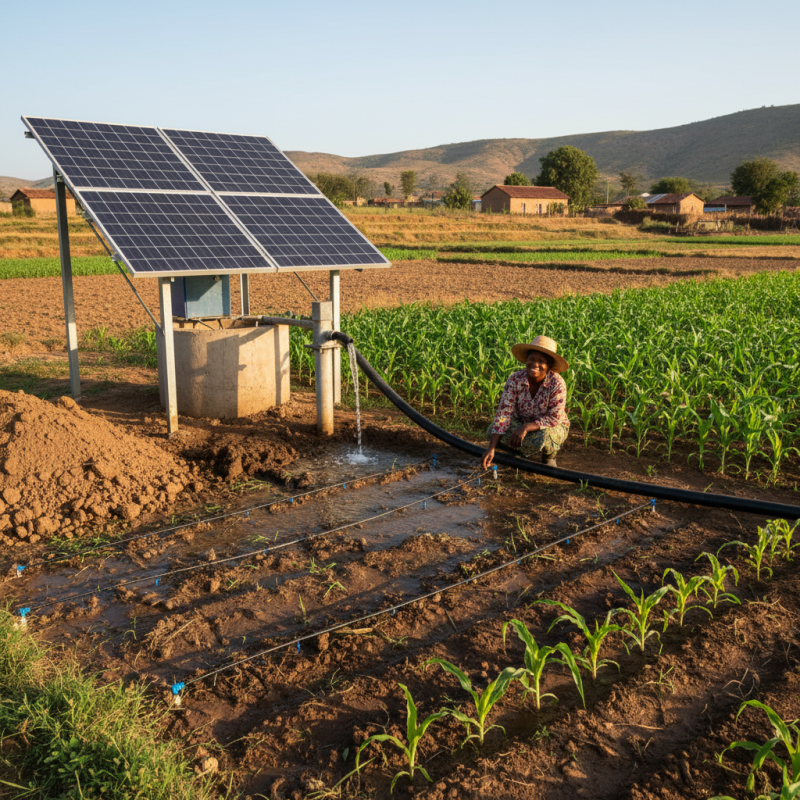
Cost-Effectiveness and Long-Term Savings of Solar Irrigation Systems
Solar irrigation systems present a cost-effective solution for sustainable farming, particularly in regions facing water scarcity. By harnessing solar energy, farmers can significantly reduce their reliance on traditional fuel sources, leading to substantial savings on operational costs. Initial investment in solar water pumps can be higher compared to conventional systems; however, the ongoing benefits often outweigh these upfront expenses. Solar energy is abundant and free, which translates to reduced electricity costs for irrigation over time.
Moreover, the long-term savings associated with solar irrigation extend beyond utility bills. These systems require minimal maintenance, which further decreases operational costs for farmers. The longevity of solar components means that systems can be operational for many years, delivering consistent performance without the frequent need for replacement or repair. As global energy prices fluctuate, farmers utilizing solar pumps are shielded from these economic changes, allowing for better financial planning and sustainability in their agricultural practices.
Environmental Impact: Reducing Carbon Footprint with Solar Power
The transition to solar water pumps for irrigation represents a significant step towards sustainable farming practices that actively reduce environmental impact. By harnessing the power of the sun, farmers can effectively diminish their reliance on fossil fuels, which are major contributors to greenhouse gas emissions. Utilizing solar energy not only conserves non-renewable resources but also generates electricity that is clean and sustainable, helping to mitigate climate change and reduce the overall carbon footprint of agricultural operations.
The integration of solar water pumps into irrigation systems further enhances water conservation efforts. Solar pumps are often more efficient, requiring less energy to operate compared to traditional pumps. By optimizing water usage, farmers can achieve greater productivity while minimizing waste. This sustainable approach not only supports local ecosystems but also helps maintain the balance of natural water resources, thereby contributing to a healthier environment. In essence, adopting solar technology for irrigation is a powerful strategy that aligns agricultural practices with ecological responsibility, paving the way for a more sustainable future in farming.
Impact of Solar Water Pumps on Carbon Footprint Reduction
Solar water pumps significantly reduce carbon emissions in irrigation practices, achieving only 200 kg CO2 emissions compared to 3000 kg from traditional pumps.
Enhanced Water Management and Efficiency in Irrigation Techniques
Solar water pumps are transforming irrigation practices in sustainable farming by enhancing water management and efficiency. With traditional irrigation methods often leading to significant water loss, solar-powered systems provide a reliable solution that is both cost-effective and environmentally friendly. According to the International Renewable Energy Agency (IRENA), the implementation of solar water pumps can reduce irrigation costs by up to 80%, allowing farmers to allocate resources more effectively. Furthermore, the use of solar energy reduces dependency on fossil fuels, contributing to a decrease in greenhouse gas emissions.
The efficiency of solar water pumps also lies in their ability to operate independently from the grid, making them ideal for remote areas. These systems can be equipped with advanced technologies such as drip irrigation, ensuring that water is delivered directly to the roots of crops, minimizing evaporation and runoff. A study by the Food and Agriculture Organization (FAO) highlights that integrating solar pumps with drip irrigation can increase crop yield by 30-40% while using 50% less water compared to traditional methods.
Tips: When considering solar water pumps for irrigation, assess your farm's specific water needs and solar insolation levels to choose the right system size. Regular maintenance of solar panels and pump components will ensure optimal performance and longevity. Additionally, exploring government incentives for renewable energy installations can help reduce initial investment costs, making the transition to solar pumps more feasible for farmers.
Top Benefits of Using Solar Water Pumps for Irrigation in Sustainable Farming - Enhanced Water Management and Efficiency in Irrigation Techniques
| Benefit | Description | Impact on Farming | Energy Source |
|---|---|---|---|
| Cost Savings | Reduced energy costs compared to diesel pumps. | Lower operating costs lead to increased profits for farmers. | Solar Energy |
| Sustainability | Uses renewable energy, reducing carbon footprint. | Promotes eco-friendly practices in agriculture. | Solar Energy |
| Dependability | Less maintenance required compared to traditional pumps. | Increased reliability in irrigation processes. | Solar Energy |
| Water Conservation | Efficient water delivery systems minimize waste. | Helps in better management of water resources. | Solar Energy |
| Accessibility | Can be installed in remote areas without electricity. | Supports farming in less accessible regions. | Solar Energy |
Reliability and Independence of Solar-Powered Water Solutions
The adoption of solar water pumps for irrigation in sustainable farming is gaining momentum, largely due to their reliability and independence from traditional power sources. Reports highlight that more than 70% of smallholder farmers in developing regions face challenges in accessing consistent water supplies for their crops. Solar-powered water pumps provide a sustainable solution by harnessing renewable energy, offering farmers a dependable source of irrigation. According to the International Renewable Energy Agency (IRENA), using solar water pumping systems can reduce water pumping costs by up to 80%, which significantly increases the profitability of agricultural operations.
Moreover, the independence of solar-powered systems allows farmers to operate without relying on grid electricity or fossil fuels, which can be erratic or expensive in many rural areas. A study by the United Nations Food and Agriculture Organization (FAO) indicated that solar irrigation systems increase crop yields by 30-50% due to improved water accessibility and reliability. This benefits not only the economic stability of farming communities but also enhances food security. With the global focus on sustainable practices, solar water pumps represent an essential advancement in promoting resilience in agriculture, enabling farmers to thrive in an ever-changing climate.
Related Posts
-
The Ultimate Guide to Choosing the Best Solar Well Pump for Efficient Water Management
-
Unleashing the Potential of Solar Powered Pumps at the Record Breaking 137th Canton Fair
-
How to Choose the Best Water Solar Panel for Efficient Energy Solutions
-
Understanding Global Production Standards for the Best Solar Powered Pumps and How to Choose the Right One
-
Exploring the Advantages of the Best Solar Water Pump for Irrigation Needs
-
Exploring Alternative Solutions: Top Solar Water Pump Options for Efficient Irrigation
Contact Details
Address:
Solar Pump Solutions,
Borrisokane, Co. Tipperary, Ireland.