
2026 Best Cellulose Fiber Suppliers for Global Buyers

Cellulose Fiber sits at the intersection of textile performance, forest stewardship, and supply-chain transparency. Demand is growing, but choosing a supplier takes more than comparing prices or softness. Textile Exchange’s Materials Market Report 2024 estimates that global fiber production reached about 124 million tonnes in 2023, with manmade cellulosic fibers accounting for roughly 7.9 million tonnes. These figures provide useful scale, though they do not identify the best producer for every application. Specifications, traceability, and mill-level capabilities still matter.

This guide to the 2026 Best Cellulose Fiber Suppliers for Global Buyers considers product range, production consistency, certification practices, and access to technical support. Canopy’s 2024 Hot Button Report also offers a relevant reference: it assesses viscose producers on forest-related sourcing risks and preferred practices. A ranking, however, is not a guarantee. Buyers should verify current certificates, fiber composition, origin claims, and audit scope directly with suppliers. Ask for test data, not just polished brochures. A sample that drapes well under showroom lights may behave differently after dyeing or repeated washing. That detail is easy to overlook. Supplier data can also be incomplete, and this guide cannot replace independent due diligence. The goal is practical comparison, not a perfect shortlist.
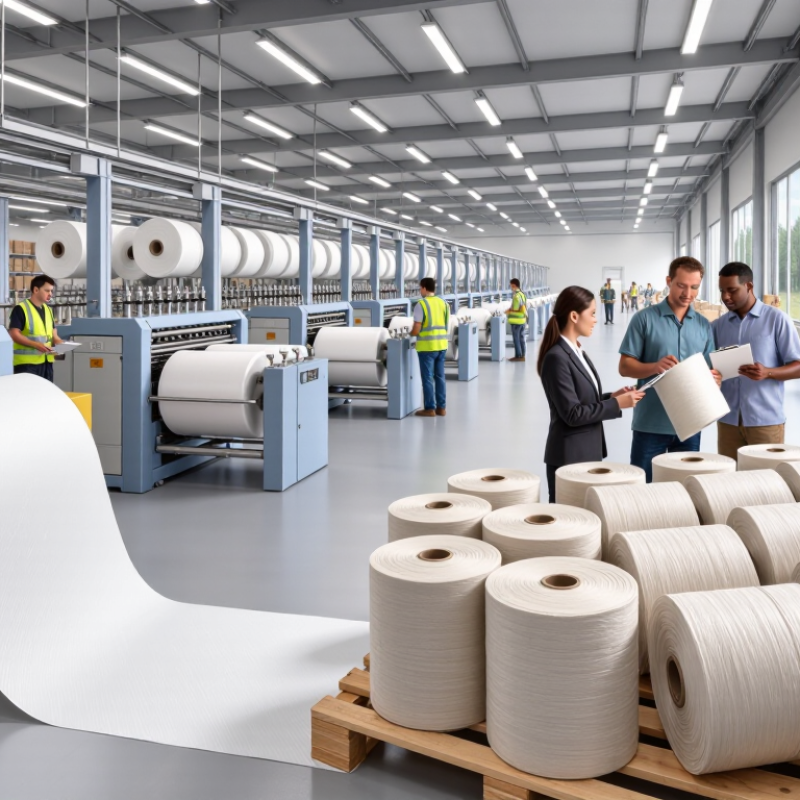
2026 Best Cellulose Fiber Suppliers for Global Buyers

What Cellulose Fibers Are and How They Are Produced

Cellulose fibers begin with a plant-based raw material, but the finished fiber may be natural or regenerated. Cotton grows as fiber on the seed; many manufactured cellulosic fibers use purified wood pulp or cotton linters. The feedstock matters. Textile Exchange’s Materials Market Report 2024 estimates global fiber production reached 124 million tonnes in 2023, including about 7.9 million tonnes of man-made cellulosic fibers. That scale makes traceable sourcing more than a paperwork detail.

For regenerated fibers, producers first break down plant material into cellulose pulp. They dissolve or chemically process it into a thick solution, then push it through tiny spinneret holes into a bath that forms continuous filaments. The filaments are washed, stretched, dried, and cut to the required length. In viscose production, chemicals help convert pulp into a spinnable solution; lyocell uses a different solvent-based route, typically designed for solvent recovery. Process design varies, so “cellulosic” alone does not tell buyers how a fiber was made.

Look beyond the label. Ask suppliers about pulp origin, processing route, solvent recovery, wastewater controls, and batch-level traceability. A soft, clean-looking staple fiber may conceal a complicated supply chain. Even recovery systems have losses, and recycled claims need evidence. There is no perfect shortcut.

Main Types of Cellulose Fibers and Their Applications

Cellulose fibers come from plant matter or processed pulp, but their performance varies widely. Cotton is soft, absorbent, and familiar in clothing, towels, and medical textiles. Its staple length and cleanliness affect spinning quality. Small differences show up in the yarn. Flax and hemp offer a firmer feel and useful strength, making them suitable for apparel, canvas, and some nonwoven products. They can feel coarse without careful processing.

Regenerated cellulose fibers, including viscose and lyocell, are made by dissolving pulp and forming it into filaments or staple fibers. Viscose drapes well and absorbs moisture, so it appears in garments and linings. Lyocell is often selected for smooth fabrics, bedding, and wipes. Production methods differ, so buyers should check fiber specifications and process disclosures rather than rely on a generic label. Details matter.

Cellulose acetate is modified for a lighter, silk-like hand and is used in linings, apparel, and some filter materials. It is not interchangeable with ordinary cotton or regenerated fibers. For sourcing, compare fiber length, fineness, moisture behavior, and intended end use, then test samples in the actual fabric or product. A lab result helps, but it may not predict every mill’s performance. That trade-off persists.

How to Evaluate Cellulose Fiber Suppliers

A reliable cellulose fiber supplier should be judged by fit, consistency, and evidence—not a polished sales sheet.

Start with the intended application: paper, textiles, or a composite may require different fiber lengths, purity levels, and moisture limits. Ask for a current specification sheet and a recent batch certificate. Check whether the stated measurements match your own testing methods.

Request samples from more than one production lot. Compare color, texture, moisture, and processing behavior under the conditions you actually use. Ask how the supplier identifies batches and handles out-of-spec material. Clear answers matter. So does a realistic production schedule.

A spreadsheet can make supplier comparisons look simpler than they are; sample quality may not reflect every shipment. Review relevant quality-system documents, but verify their scope and validity rather than relying on a logo or claim.

Discuss packaging, storage guidance, and shipment updates before placing a large order. Keep written records of agreed tolerances and delivery terms.

No checklist catches everything. A small trial order can reveal practical issues that a meeting cannot.

Leading Cellulose Fiber Suppliers for Global Buyers in 2026

Leading cellulose fiber suppliers for global buyers in 2026 should offer more than competitive pricing. Buyers need consistent fiber properties, traceable pulp sourcing, dependable lead times, and clear documentation.

Textile Exchange’s Materials Market Report 2024 estimates global fiber production reached 124 million tonnes in 2023, with man-made cellulosic fibers accounting for about 7.9 million tonnes. That scale gives buyers options, but it does not guarantee uniform quality. Small details matter.

Compare suppliers using samples tested for fineness, length, moisture, and performance in the intended fabric or paper process. Request batch-level specifications and evidence supporting claims about forest sourcing and production impacts. Check whether the supplier can explain how it handles quality variation between shipments.

A clean sample can still hide inconsistent bulk output. Not every mill matches. Buyers should also test delivery resilience by reviewing regional capacity, backup routes, and realistic production schedules.

Sustainability claims deserve careful review; certificates help, but they do not replace direct checks of traceability and scope. A practical shortlist balances verified performance with transparent answers, even when those answers reveal limits.

How to Compare Supplier Quality, Compliance, and Logistics

2026 Best Cellulose Fiber Suppliers for Global Buyers

How to Compare Supplier Quality, Compliance, and Logistics

Choosing a cellulose fiber supplier takes more than comparing price per tonne. Textile Exchange’s Materials Market Report 2024 estimates global fiber production reached 124 million tonnes in 2023, underscoring the scale and complexity of sourcing. Ask for recent test results covering fiber length, moisture, color, and tensile strength. Compare samples against the same specifications, then check whether production batches stay consistent. A tidy sample is useful; repeatability matters more.

Verify chain-of-custody documentation and quality systems, and confirm that certificates cover the actual site and product—not just the supplier’s office. Request clear records for raw-material origin, processing steps, and audit dates. Logistics deserve equal scrutiny. UNCTAD’s Review of Maritime Transport 2024 reported maritime trade grew 2.4% in 2023, while disruptions continued to challenge shipping routes. Ask for realistic lead times, port options, packaging details, and a written plan for delayed containers. Paperwork can look perfect while a shipment waits at the wrong terminal.

Tips: Request a trial lot and inspect it on arrival. Record test results, packaging condition, and delivery dates. Compare at least two shipments before committing to forecast volumes. No checklist catches every mill-side variation, and buyers sometimes overlook how storage humidity affects fiber quality. Keep that risk visible in your supplier scorecard.

Contact Details

Address:

Solar Pump Solutions,
Borrisokane, Co. Tipperary, Ireland.

Phone:

+353 86 1216312

Email:

sale@desasolar.com

Connect with us

Scroll to Top
Solar Pump Solutions
Privacy Overview

This website uses cookies so that we can provide you with the best user experience possible. Cookie information is stored in your browser and performs functions such as recognising you when you return to our website and helping our team to understand which sections of the website you find most interesting and useful.